It’s easy to say that we should save 20%, or even 50% and I must say: I’ve been there and done that.
The way for a fresh graduate to achieve $100K in savings within five years (saving ~$1,666/mth) is, unfortunately, to make more money and I really mean going quickly from a $3K base salary to $5K with a pretty boring lifestyle. I ain’t going to eat $2 carrot cake and $3 chicken rice for 2 meals a day just to scrimp and save because at the end of the day I’ll really have to pay the price of medical fees from eating crappy, oily, salty hawker food when I’m old and grey.
You see, many of these financial advises are usually too generic and flawed. First of all to really save 50% of a $3K/mth salary means having only $1,200/mth to spend on average. That is possible only when somebody else is paying for a large part of your life, and that applies if you are living with parents OR leeching off a boyfriend, i.e. you don’t need to pay for a house mortgage, education loans, dinner at home, electrical and water bills, Internet, TV, insurance, taxes, and for stuff that randomly breaks down at home. And that also means the person bearing the bulk of this unfortunate unbalance in earnings-to-savings ratio would be the parents who are hopefully scheduled to retire sooner than the young teen trying to save $100K.
Articles like these need to take into account the entire household’s income to make a proper judgement. If an under-30 shares the cost of household expenses, $1,200 is probably way too low a figure for monthly expenses per capita — I’m talking about a healthy middle income family and lifestyle here, with occasional movies, maybe an annual trip, dinners and drinks with friends, taxi rides to work on rainy days and shopping for new clothes and shoes. If they (The Straits Times) did instead consider the scenario of a young couple financing their own home then they’ll realize that even trying to cook at home doesn’t make sense because the economics of cooking for 1 or 2 persons just sucks; it’s just cheaper to eat $3 chicken rice out.
So how is it possible to spend only $734/mth ($2,400 take home minus $1,666 savings)? This guy must be a monk! Besides that, not many graduates even earn $3,000/mth.
I would say everybody needs to strike a balance, but a for a young person under 30 sure, save some money — as much as you possibly can in fact, but just don’t forget to spend some of those earnings on what makes your life better. I’m not talking about an LV bag, or a brand new iPhone 6 the moment it launches, but things such as traveling, meeting people, trying or learning new things essentially shouldn’t take a backseat because you may not know when you’ll be on an unfortunate flight across a de-militarized zone. There must be a balance between living in the now or saving for the future, and this is the hardest part to get right.
My final word on this is that while we are all here happily reading and discussing issues like these on blogs and Facebook with our iPad or MacBooks, we need to acknowledge that we are in a social group that is likely to be already spending beyond $1,000/mth so this discussion is almost completely irrelevant to start with, but irregardless I must emphasize that many young people especially in Asian countries like Singapore spend too much money on luxury goods and are not spending enough to get themselves better educated and/or acquainted to social settings that is the saddest thing about where money is going to waste. People can get terribly upset about a $0.10 increase in their Kopi-C but will buy a $2,000 bag in a blink of an eye. I’m not sure what to make sense of that; while everybody had their pound foolish days (that’s why we call ’em “young and foolish”) it’s only helpful if there’s people (“old and wise”) around young teens to help guide them along so they’ll learn from their mistakes. It doesn’t help if their parents and teachers are buying these expensive luxury goods themselves. It all starts by leading by example.
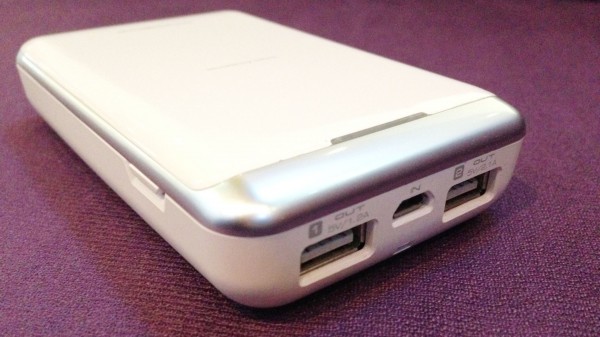
Ever wondered why your 4,000mAh may not even charge your 1,570mAh iPhone 5S twice? Here’s why: –
Devices consume power (“P”) and that is measured in watts. To derive watts, we need to multiply the amperage (“I”) by voltage (“V”).
P = I x V
* Also note: 1A = 1,000mA
The 4,000mAh rating of the power bank refers to the charge capacity of Lithium-ion cells in the power bank, and that is different from what comes out of the USB port because both operate at different voltages.
Lithium-ion batteries operate between 3.2-4.2V (stable at 3.7V) while USB devices operate at 5V.
This means that: –
The power bank can only deliver 4Ah x 3.7V = 14.8Wh
It will only charge a 5V USB device to 14.8Wh / 5V = 2.96Ah or 2,960Ah
Now, you must be thinking: “Hey, my phone also uses a lithium-ion cell, so it should convert (back) to the same”.
It is partially correct to assume that, but power reduction process will likely result in losses (usually in the form of heat) so it is not a 100% efficient process.
The power bank itself would also be stepping down (or stepping up, depending on design) its voltage. If it’s cells are wired in 2 series, it would need to step down from 3.7V x 2 = 7.4V to the USB output voltage of 5V before you can use it to charge your phone.
With two devices stepping down power (Power bank > USB > Phone > Phone Battery) the efficiency can be as low as 64% (80% x 80%).
So as an example, to charge a 1,570mAh battery in the iPhone 5S, we will need a constant 1.57A x 4.2V (charging voltage of li-ion) = 6.594 watts.
Assuming both the power bank and phone are only 80% efficient at converting the power, this would mean that the power bank must deliver at least:
6.594W x 1/(0.8 x 0.8) = 10.3W
10.3W / 3.7V = 2,784mAh power bank is required to charge an iPhone 5S
Also remember that while charging your phone, the phone is likely to consume some power during the process even if it is completely powered off because it has to regulate the charging process, alternating between charging and measuring the charge state of the battery. This is required to protect the battery in your phone from over-charging.
Another thing to know about is charge rate (“C”). The higher the charge rate, the faster it charges. At 1C, a battery will be fully charged in an hour. At 2C, it will be charged in half an hour.
Most phones are designed to charge between 0.5C to 1C to ensure maximum lifespan of the battery. This means it will take between 1 to 2 hours to charge. Charging lithium-ion batteries above 1C may shorten its lifespan (and that’s why you should not use cheap docking chargers or avoid “quick” chargers.)
Why should you care since the phone is already regulating the charge rate for you? That’s because the charge rate affects the current draw on the power bank.
If a 4,000mAh power bank claims to provide a 1A USB charging port, it means it should deliver 1A x 5V = 10W of power constantly.
To charge an iPhone 5S @ 1C would require at least 1.57A x 4.2V = 6.59W (before efficiency losses). If we factor in efficiency losses @ 80% for both the power bank and the phone then 6.59W / (0.8 x 0.8) = 10.3W. That’s approximately 1A!
For a bigger device like a Samsung Note 3 with a 3,200mAh battery, it is likely to be charged at 0.5C. Quick calculation yields (3.2A x 4.2V x 0.5C) / (0.8 x 0.8) = 10.5W which is also just above 1A.
As you can see most devices require around 1A to charge, but if you are going to be using your phone while charging then the current draw may well exceed 1A and you will need a power bank capable of delivering more. If you use an underrated power bank you may damage (overheat) its internal voltage regulators.
Lastly, if you are charging your phone, try not to use it at the same time as doing so might also put too much current through the phone’s voltage regulator causing it to fail prematurely. This is especially common on bigger phones. If you feel your phone getting hot, it’s a sign to stop. Depending on phone design, you may have to change the entire logic board.
The staffs in the office got new laptops last year (thanks to the government’s PIC grant) but the stockpile of old hardware became an eyesore. What should I do with them?
I found out that one of my friend’s a volunteer worker and needed computers for needy families, so I decided to spend my NDP weekend sorting out them out. I thought it was going to be an easy job, but turned out it burned my entire weekend.
Me and my wife started late Saturday afternoon and missed the National Day Parade. We worked till 12:30am and decided to continue again on Sunday (today), and it’s still not yet done. There’s still two more computers in the queue.
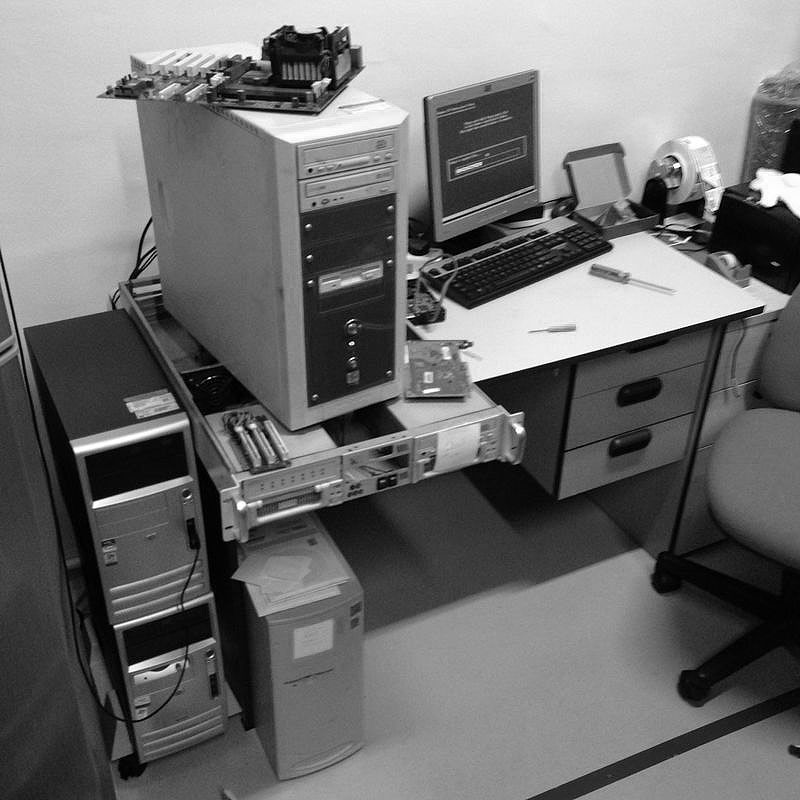
Piecing together parts from an old “beige box” 2U server and desktop to make a working computer.
The problem was that the computers left sitting started to degrade — CD/DVD drives, hard drives, motherboards, graphic cards all started to fail. So the tip here is that if you have a computer you do not want any more, wipe it ASAP and donate. Some of these computers are over 10 years old (Pentium 3!), so it was amazing to see them still working.
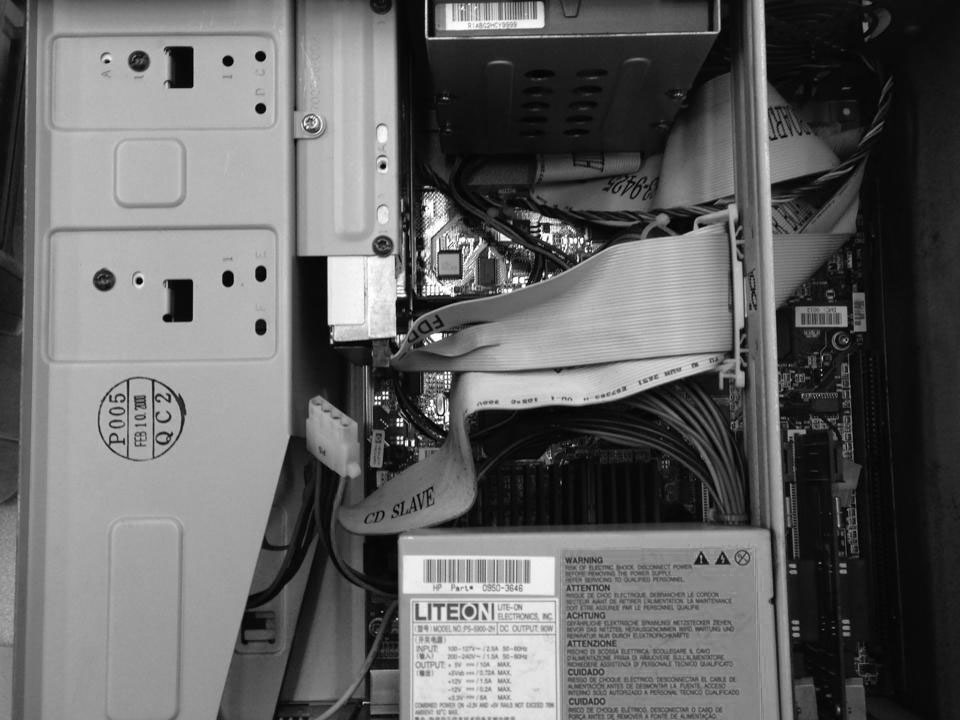
The inside of a 14 year old HP desktop (manufactured in 2000). Not a speck of rust.
I was also impressed by how well the old HP desktops held up after 14 years. These thick, sturdy steel cases must have been galvanized because there’s not a single speck of rust on them. Machines (including servers) these days are no longer made to such high standards and feel flimsy.
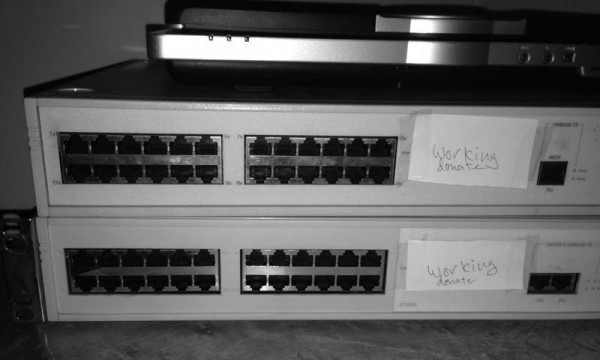
There were also old networking equipment up for grabs, but I could not see how a needy family would need a 24-port switch, so I found another friend who might have a use for it by sending it to schools in Cambodia.
Old 3Com Superstack switches, hopefully to be donated to schools in Cambodia.
The last problem I need to solve would be to get working software into these machines. Some of the PCs had OEM Windows XP (luckily we kept all the original CDs).
—
Update: The list of hardware to be donated have been distributed and they have been collected, albeit slowly. But it definitely feels good to know that it is going to somebody who needs it, rather than a karang-guni man who will probably just scrap it for parts.
When it comes to technology, I’m usually an early adopter and there’s no exception when it comes to cars.
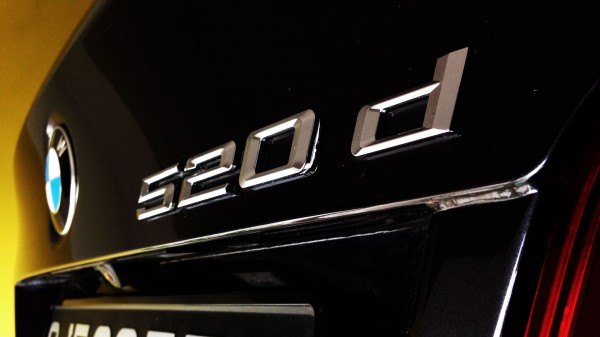
When I saw a resale BMW 520d (internal code name F10) for almost $20K below what its petrol siblings were asking for on the market, I jumped on it right away. The car is well optioned with multi-contour ventilated seats, 4-zone air-conditioning, premium hi-fi and the M-sport bodykit. These factory options aren’t cheap, which explains why the car also has an extremely high OMV value.
I was sufficiently warned of the NVH (Noise, Vibration and Harshness) of diesels, so when I test drove the car it exceeded my expectations. Still, I knew I was venturing into uncharted waters, but the tremendous torque and potential fuel savings beckoned and I took the plunge.
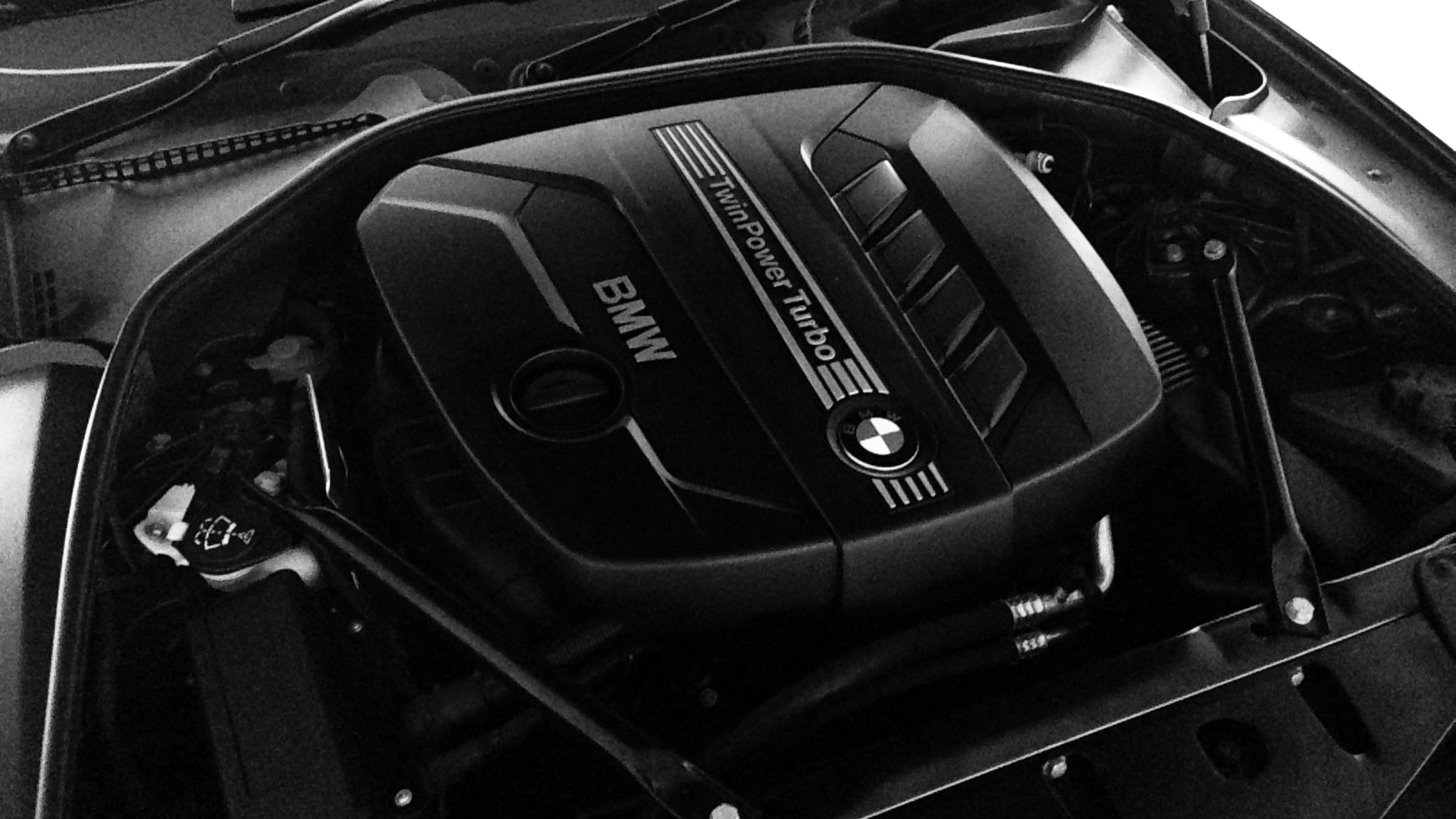
I thought this would be a fantastic comparison because I had the same car but with a different engine. The old car had the legendary BMW inline-6 2.5L naturally-aspirated engine, code-named N52 (badged 523i). This new car has the BMW inline-4 2.0L variable geometry turbocharged diesel, code-named N47. It’s good to note that BMW enthusiasts swear by the N52 — some refuse to buy the car if it does not come with an inline-6.
Both are small engines considering the massive weight of the car (1.7+ tonnes). The diesel is slightly heavier (~50kgs). Both cars have the same transmission (ZF 8HP).
BMW N47B20 engine in the F10 520d is a promising little motor with a BSFC of 198g/kWh.
6 months down the road, what are my thoughts? No regrets — the diesel engine pulls effortlessly from just above idle to 4,000+ rpms. The massive 350Nm of torque is fantastic for city driving and it is no slouch on the highway either; I’d easily hit 110kph without even noticing that I had to configure a speed alert to warn me.
The final drive of the 520d is also taller than the 523i thanks to the massive low-end torque. The car cruises on gear #7 well under 2,000 rpms at the legal Singapore speed limit of 90kph; there’s 8 gears on this tranny so it will also do 110kph under 2,000 rpms on the NSHW. This low-revving is probably why the engine is barely audible on the highway.
Fuel economy? I averaged 13km/l (over the last few months) with fairly spirited driving, or about 800 kilometers on a tank of gas. I refuel my car once every two weeks now (was weekly). Bear in mind my engine hasn’t really broken in yet; it’s still under 10,000 kms and I am starting to get better fuel economy as the months go by.
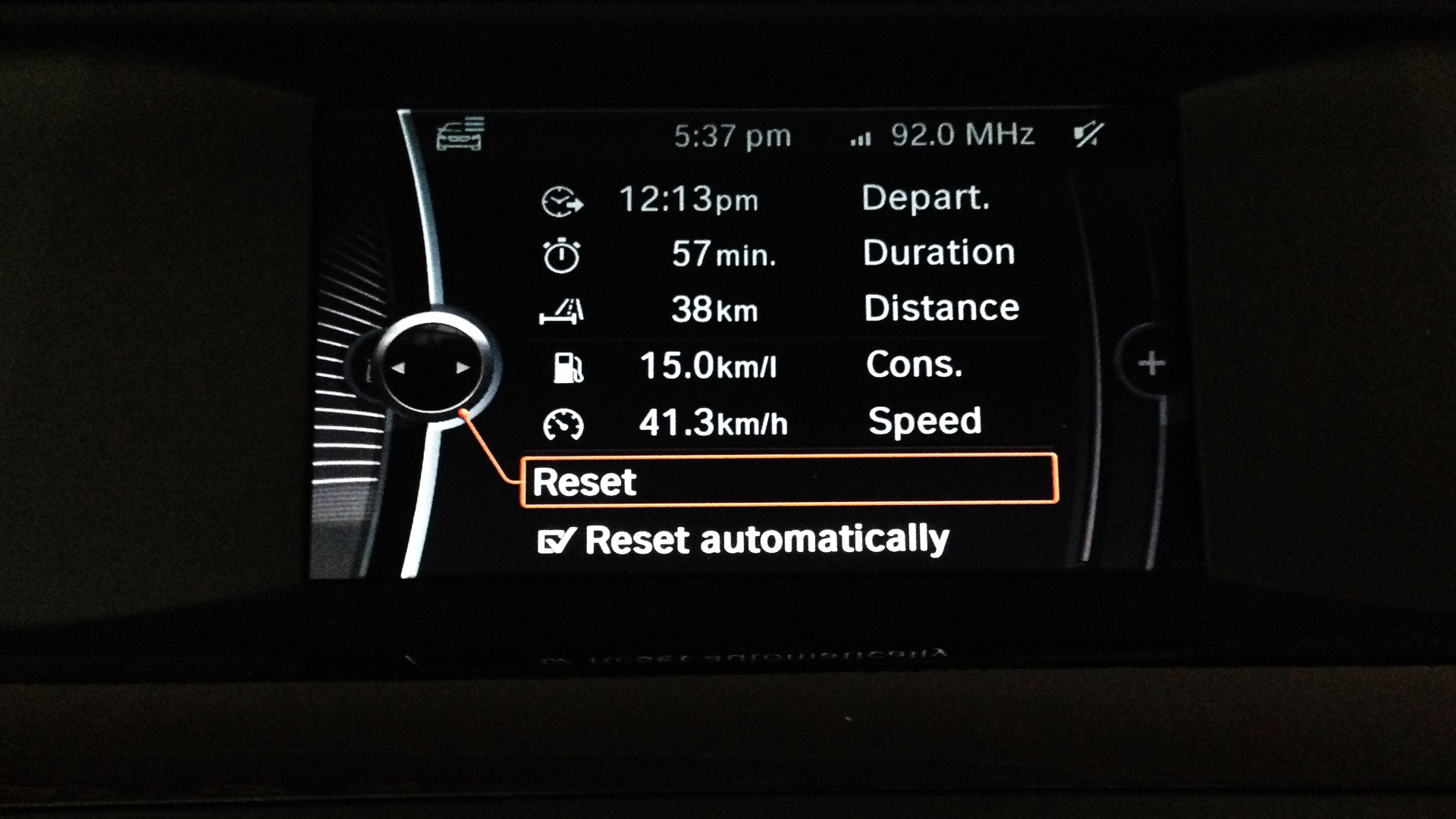
On good days like today the fuel economy can reach 15km/l; notice the low average speed of 41km/h. This was just a drive out for lunch and a short drive back home (no jams).
I only drive on average 1,500 kms per month and my monthly fuel bills have already shrunk from $330-350 (Esso 8000) to $170-180 (Esso Diesel). My daily commute is around 60-70% city, 30-40% highway.
Although I pay more for road tax (about $400 more per annum), the savings in fuel more than makes up for it.
So what are the drawbacks of driving a diesel?
There’s definitely more NVH as compared to BMW’s creamy smooth Inline-6 engine. I do also miss the aural pleasure from my old car, but for daily driving the torque of the diesel and the way it pulls away from cars effortlessly with no drama wins me over.
I also cannot refuel in Malaysia (yet) because they do not yet have Euro 5 diesel (currently Euro 2M), although a full tank will likely bring me to KL and back. I heard some mixing shouldn’t do much harm. Note that the engine can handle any type of diesel, it’s just the emissions systems, particularly the Diesel Particulate Filter (DPF) that have trouble with lower grade diesel. Malaysian 520ds do not have DPFs to work around their fuel problem.
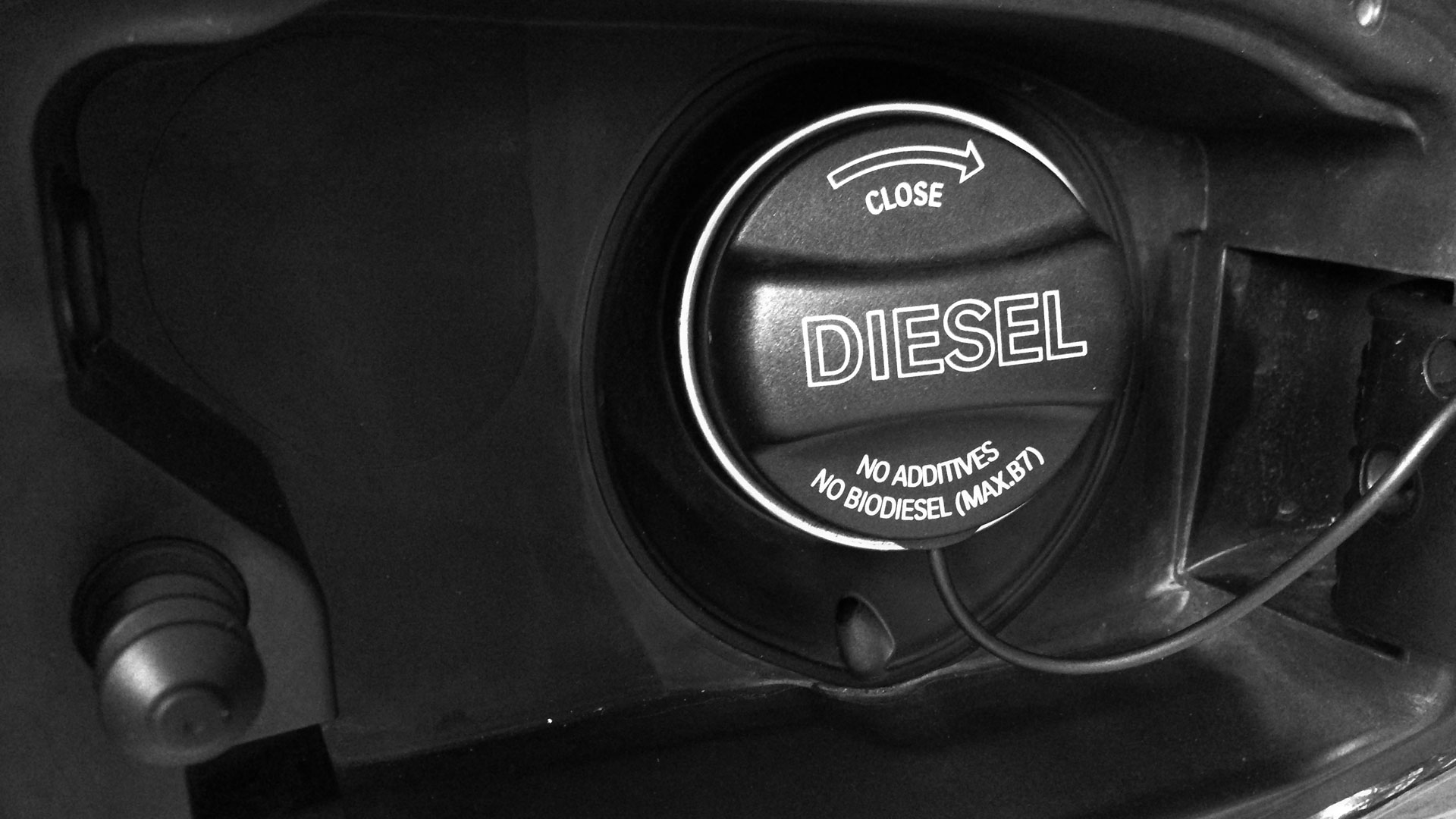
Unfortunately I can only fill up Euro 5 diesel and it is not available across the causeway yet. Not even knife brand cooking oil can be used — it states clearly NO BIODIESEL.
I do also get surprised looks at the petrol kiosk when I stick the diesel nozzle into my car, and occasionally some weird stares as I drive past unsuspecting people; I guess it must be the ticking of the diesel engine that people relate taxis to.
Servicing costs me $30-40 more, primarily because my oil filter is uncommon and costs more. I use the same type of engine oil as other modern BMW petrols (BMW approved LL-04 such as Mobil-1 0W-40 ESP). As a plus, I do not have spark plugs, so that may equal out the extra costs of the oil filter. Modern BMWs use pretty expensive platinum sparks that should be changed every 50,000-60,000 kms or so.
Driving the diesel 520d has been an absolute joy and I think it is the way to go — at least for the next 5 years. Alternative energies/technologies such as compressed natural gas (CNG), hybrid electric, fully electric, or fuel cell have some ways to go and the present infrastructure is lacking to support these technologies. (Sidenote: The BMW i3 seems pretty promising if you live in a landed property.)
Remember that my car is over 1.7 tonnes unladen, and weight is a major contributing factor to fuel economy. If you buy a smaller diesel like the Volkswagen Touran 1.6 TDI, you will likely achieve 16-18km/l without breaking a sweat.
I really hope more car owners in Singapore will switch to diesel. For the same amount of fuel, diesel is almost twice as efficient — we could keep fossil fuels around maybe just a little bit longer.
An old college friend was planning a trip and asked if anybody wanted to tag along. Having been through several continuous weeks of noises from the upstairs dwelling (school holidays, ya) I thought to myself: “Why not?” It was also a good opportunity to catch up with an old friend.
So we (me + wife + friend) booked a trip to Turkey — a place I never thought I would go. Now that I have returned, I’d say I have no regrets.
Singapore to Istanbul to Cappadocia
We flew direct from Singapore to Istanbul, then caught a domestic flight to Cappadocia immediately after. It was pretty late by the time we arrived so we did some light shopping around the town of Goreme and then retired to bed so we could be up before 5am the next day to catch our hot air balloon flight.
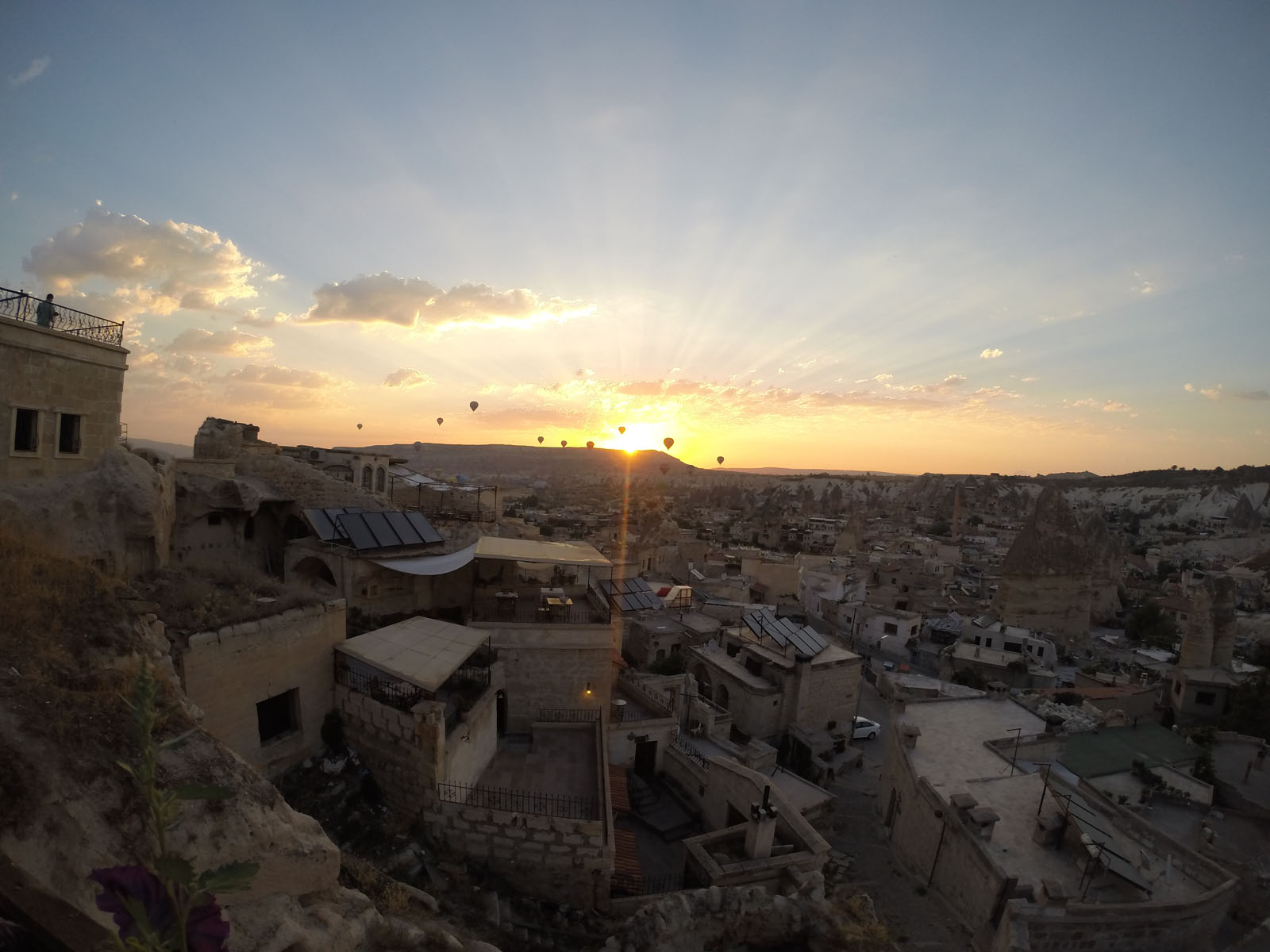
Sunrise with hot air balloons in the background. Taken from the Kelebek Cave Hotel in Goreme, Cappadocia.
Hot Air Balloon, Rose Valley and Kaymakli Underground City
Pick-up service was at 5am, followed by some paper work and a simple breakfast. The actual balloon flight started around 6am and lasted an hour. We returned to our hotel for the really awesome breakfast spread before joining our day tour to the Rose Valley (no roses in summer, unfortunately) and the Kaymakli Underground City.
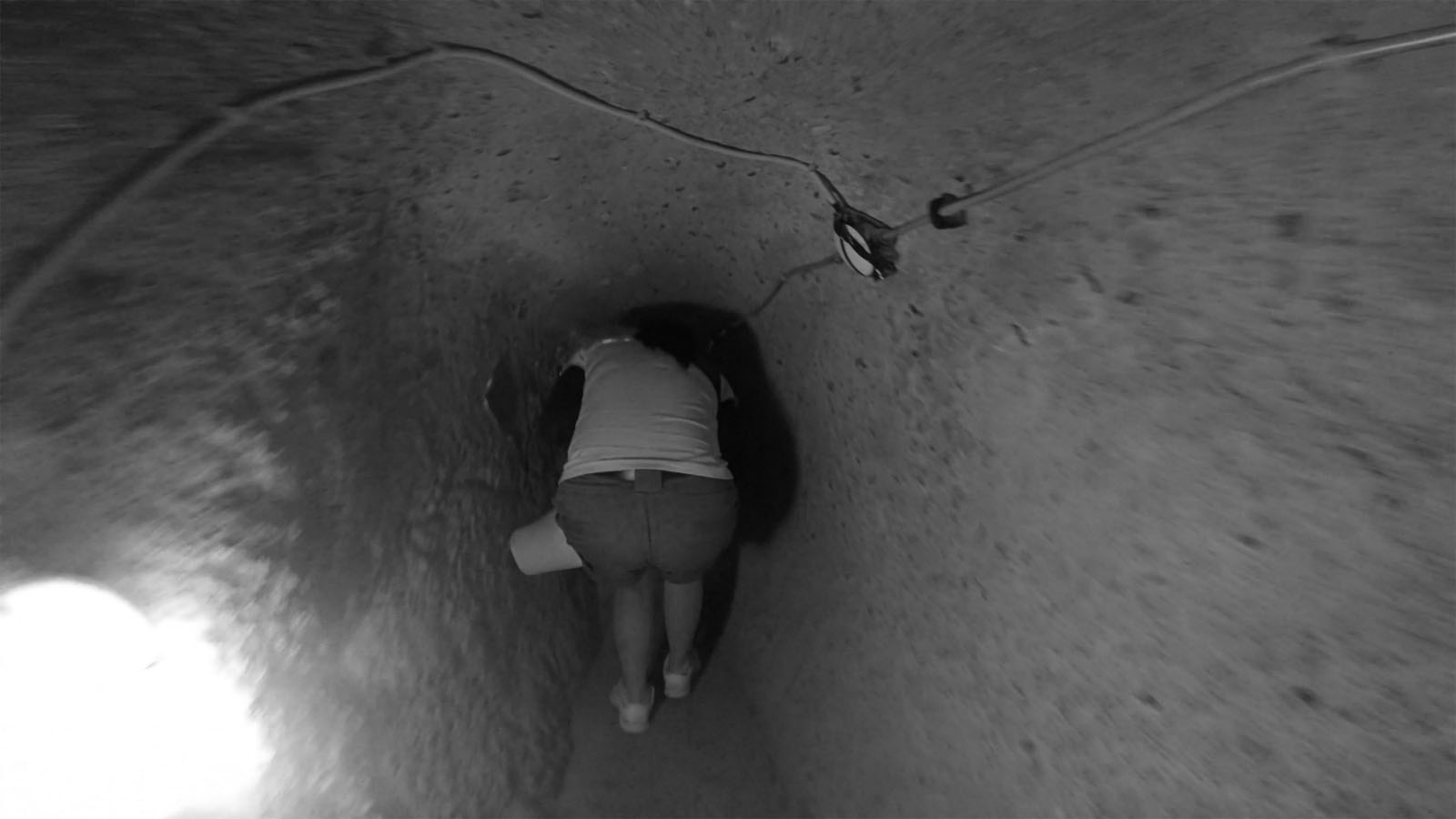
Crawling through the narrow tunnels of Kaymakli Underground City. I’m 1.8m tall and ahead of me is a ~1.5m lady — imagine my agony.
Ihlara Valley and Selime Monastery
Day two was a full day (6-7 hour, ~14km) hike with a private tour guide along the Ihlara Valley. A picture speaks a thousand words.
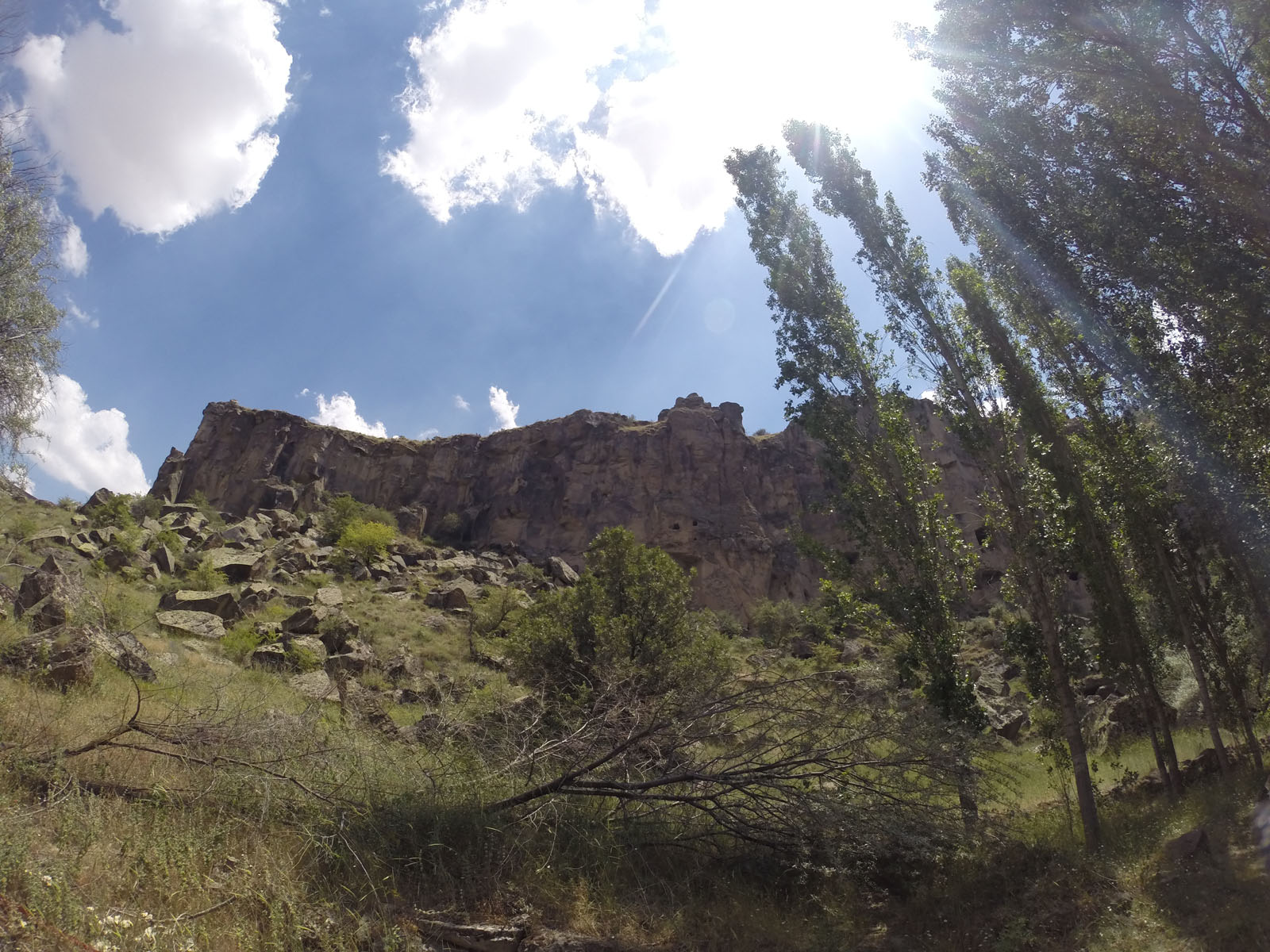
View from the bottom of the Ihlara Valley in Central Anatolia, Turkey where much of the vegetation couldn’t shield us from the scorching summer heat (~38ºC).
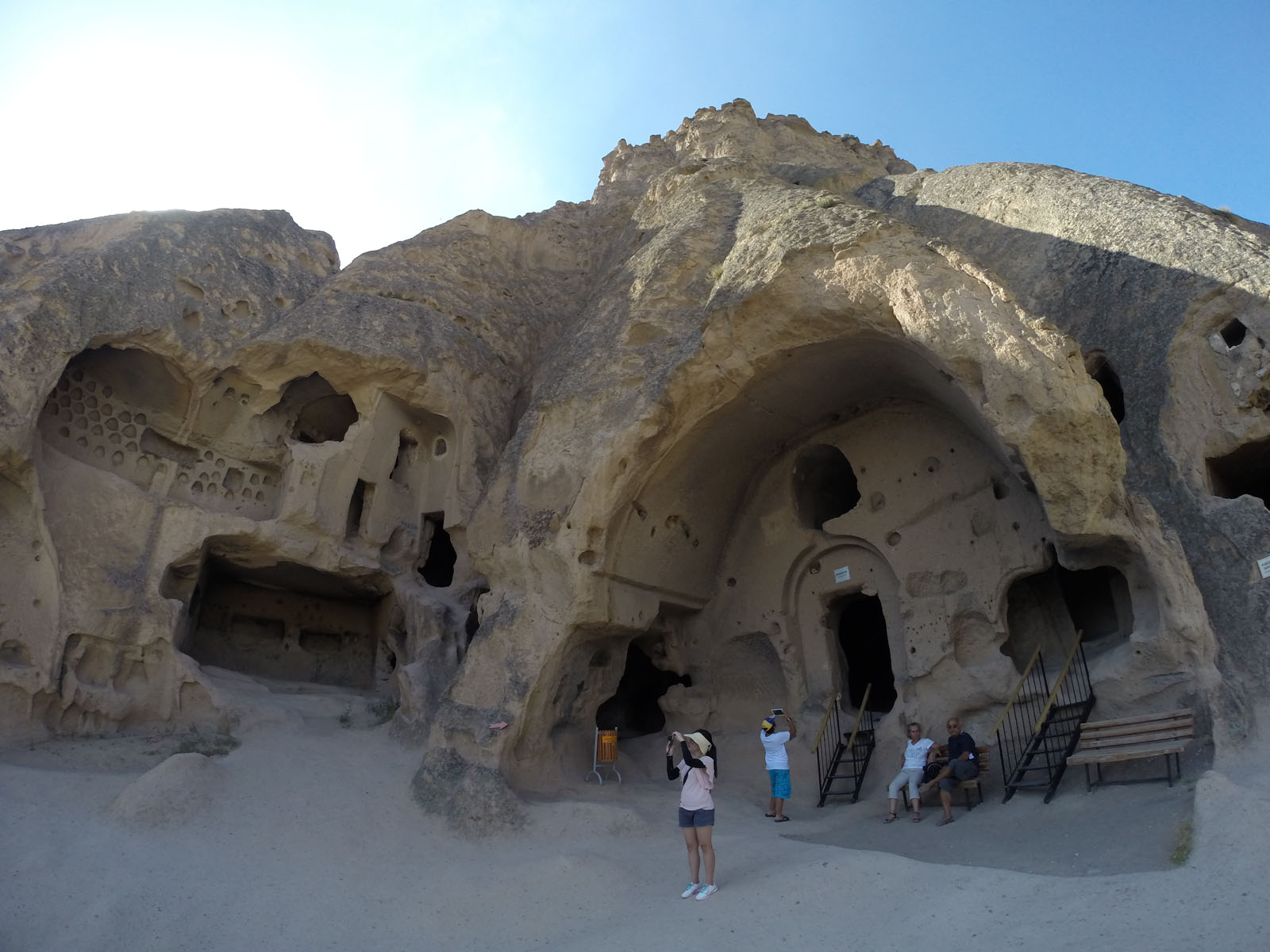
At the end of the hike was the Selime Monastery, where some say it is where some Star Wars scenes were filmed. It certainly resembles Tatooine, but I could not find an exact resemblance after Googling. Maybe I’ll watch all three episodes again and take a screen grab if I see it.
The Selime Monastery lies above at the higher section of the rocks in this picture and is a surprisingly short 10-minute hike up, but what’s more important is how this resembles Tatooine in Star Wars.At the top where the monastery lies.
By the end of day two our feet were sore. A Turkish bath and a nice dinner at the hotel fixed everything.
Goreme Open Air Museum and Love Valley
We spent day three touring the Goreme Open Air Museum. I must emphasize that the extra tickets to the Dark Church is definitely worth the money if you are planning to go. Unfortunately, no photo taking was allowed (so they can sell their postcards, etc.)
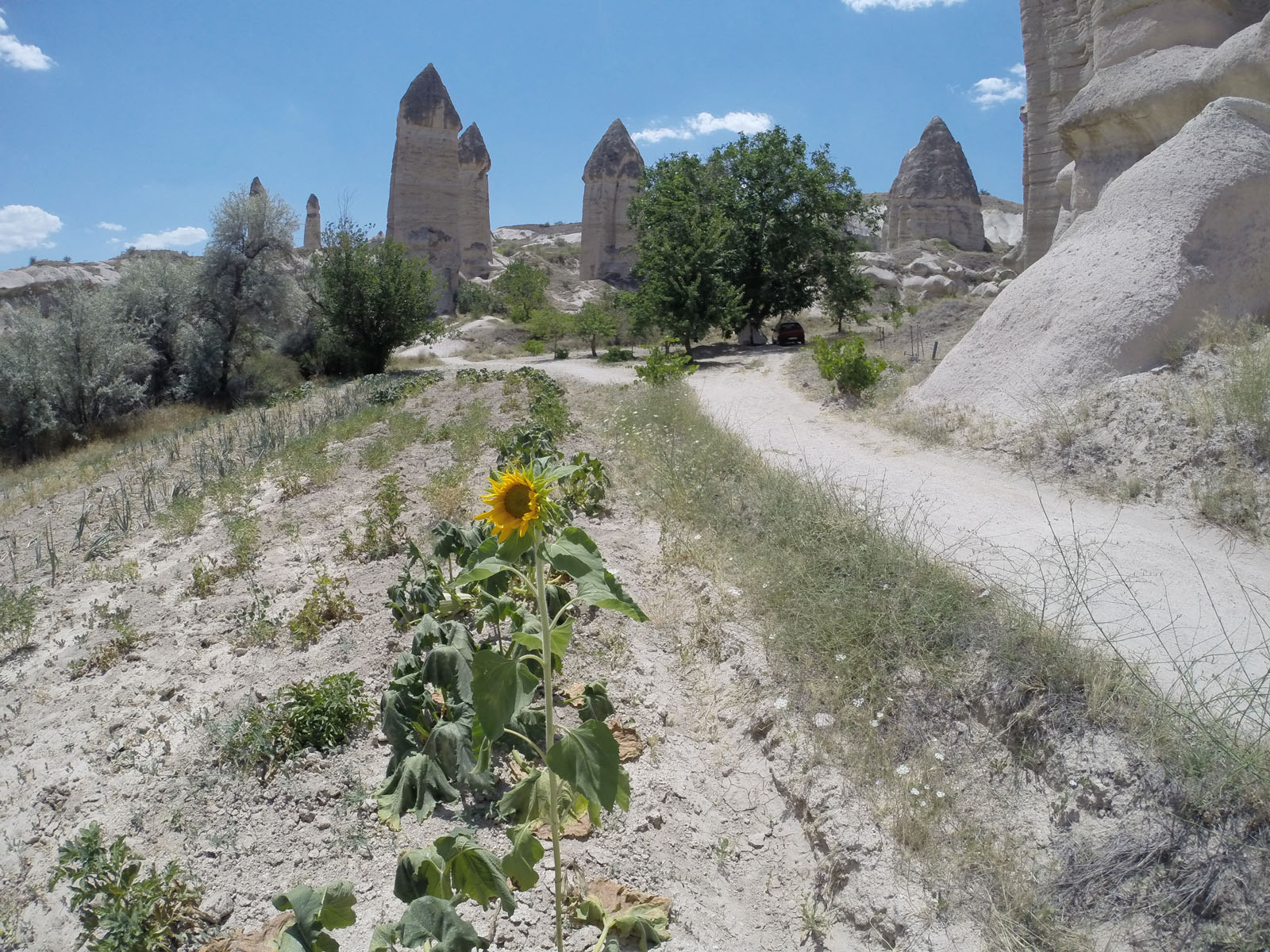
We also attempted hiking through the Love Valley but it was too hot to continue, so we chilled out at a small hut, bought some drinks, took a couple of photos and returned to the hotel.
The Love Valley, where rock formations looks, urm… erect. A lone sunflower stands in the blazing hot summer sun.
Cappadocia to Istanbul to Izmir, drive to Sirince
Day four was spent flying domestic from Cappadocia > Istanbul > Izmir, where we picked up our rental diesel Hyundai Accent from Erboy Car. Fuel is extremely expensive in Turkey (around TL 4.70 or US 2.20 for a litre of diesel) so a fuel economical diesel is a must.
It took me a while to get used to the left-hand-drive traffic. After a stressful drive through extremely narrow streets of a small village Sirince, we arrived at a small terrace house where we spent the night.
Ancient city of Ephesus, Basilica of St. John and House of Virgin Mary
The ancient city of Ephesus was a short 10-15 minute drive away from Sirince. It is a big city so if you are driving you’ll likely have to walk up and then walk the same distance back to your car.
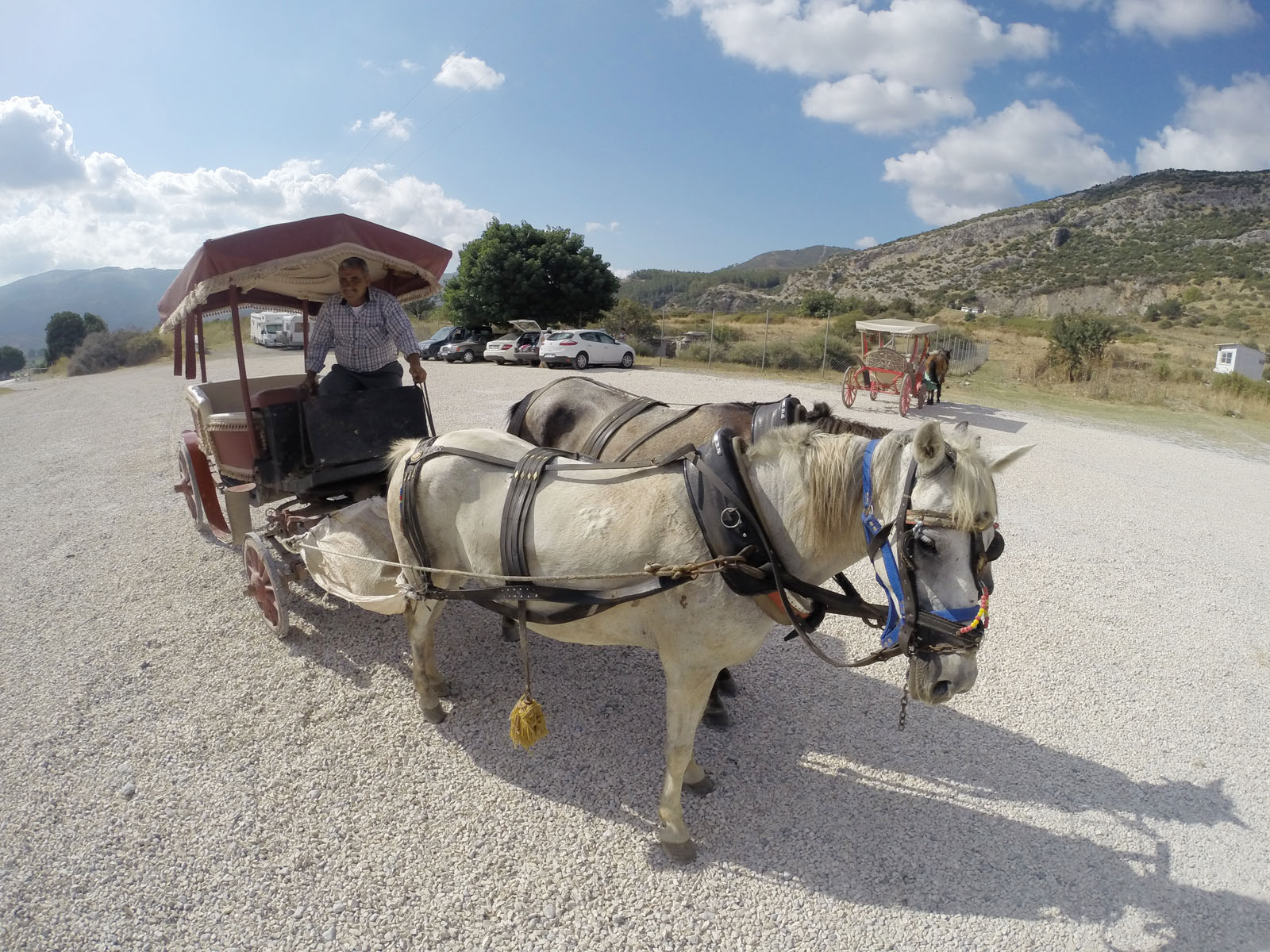
I read about tourist traps offering “free” return bus rides, so we took the advice of the locals (from the village of Sirince) to park the car at the lower (south) gate, catch a horse carriage ride up to the upper (north) gate then walk back down towards our car.
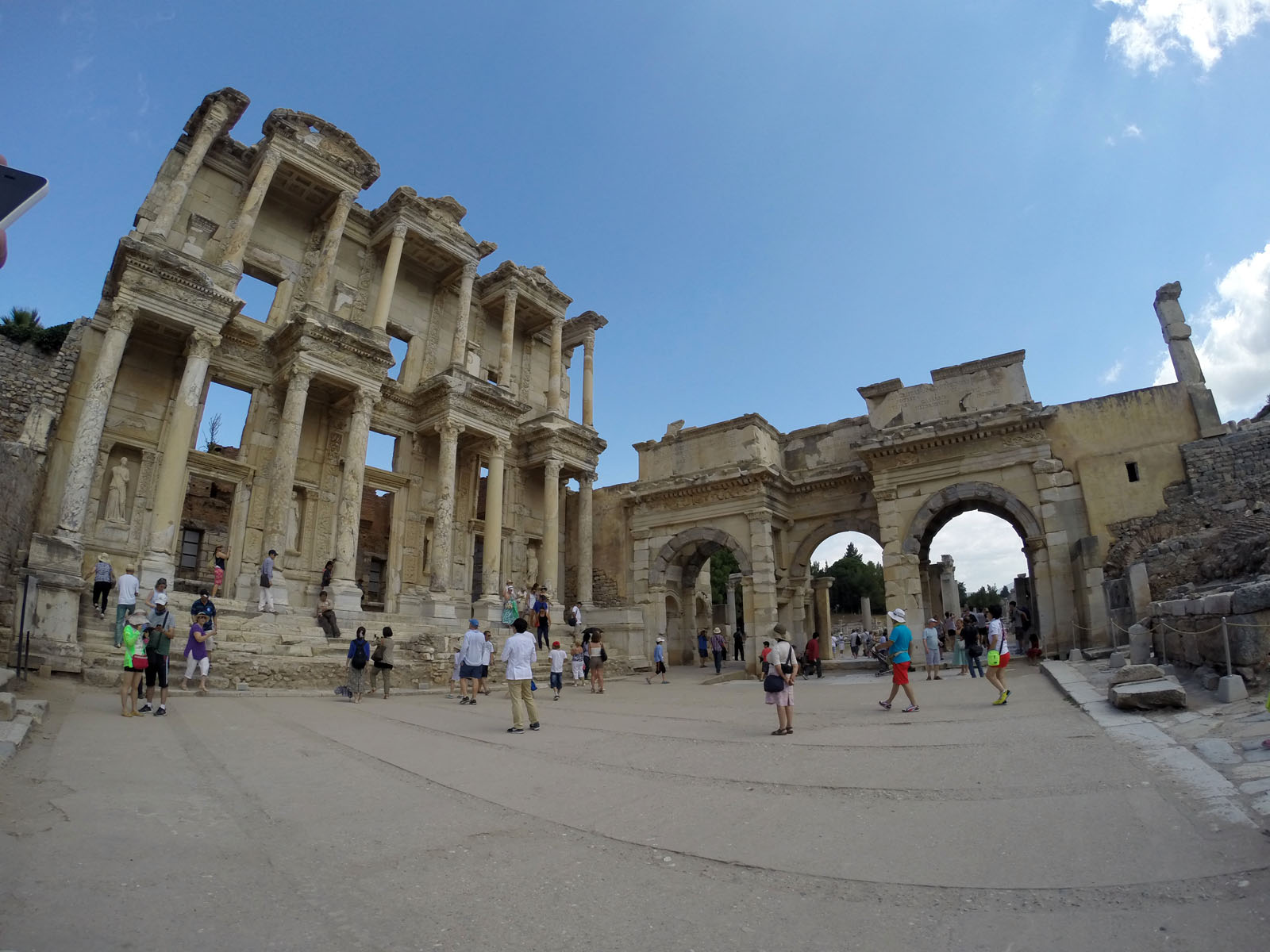
Catching a horse carriage ride from the south gate to the north gate is a quick way to ensure you don’t get caught in tourist traps offering “free” return bus rides that may quickly turn into carpet purchases.If there’s just one place to visit in Turkey, it’s got to be the ancient city of Ephesus. Some say it is better than Rome. Be there early — it can get very crowded in the afternoon.
By noon there was quite a crowd and I couldn’t get good pictures despite having my GoPro mounted on a long monopod. We left and drove to two other ancient sites nearby; The Basilica of St. John was nice, but nothing was left of the ruins of The Temple of Artemis except for one rebuilt pillar (I’d suggest not to waste your time).
While the basilica looked grand from the outside, the interior is only partially excavated. A large part is still covered in earth.
We also drove up the mountains to the House of Virgin Mary. Unfortunately no photography was allowed and we left empty-handed and started our long journey to Pamukkale where we stopped mid-way for grocery shopping and … McDonalds!
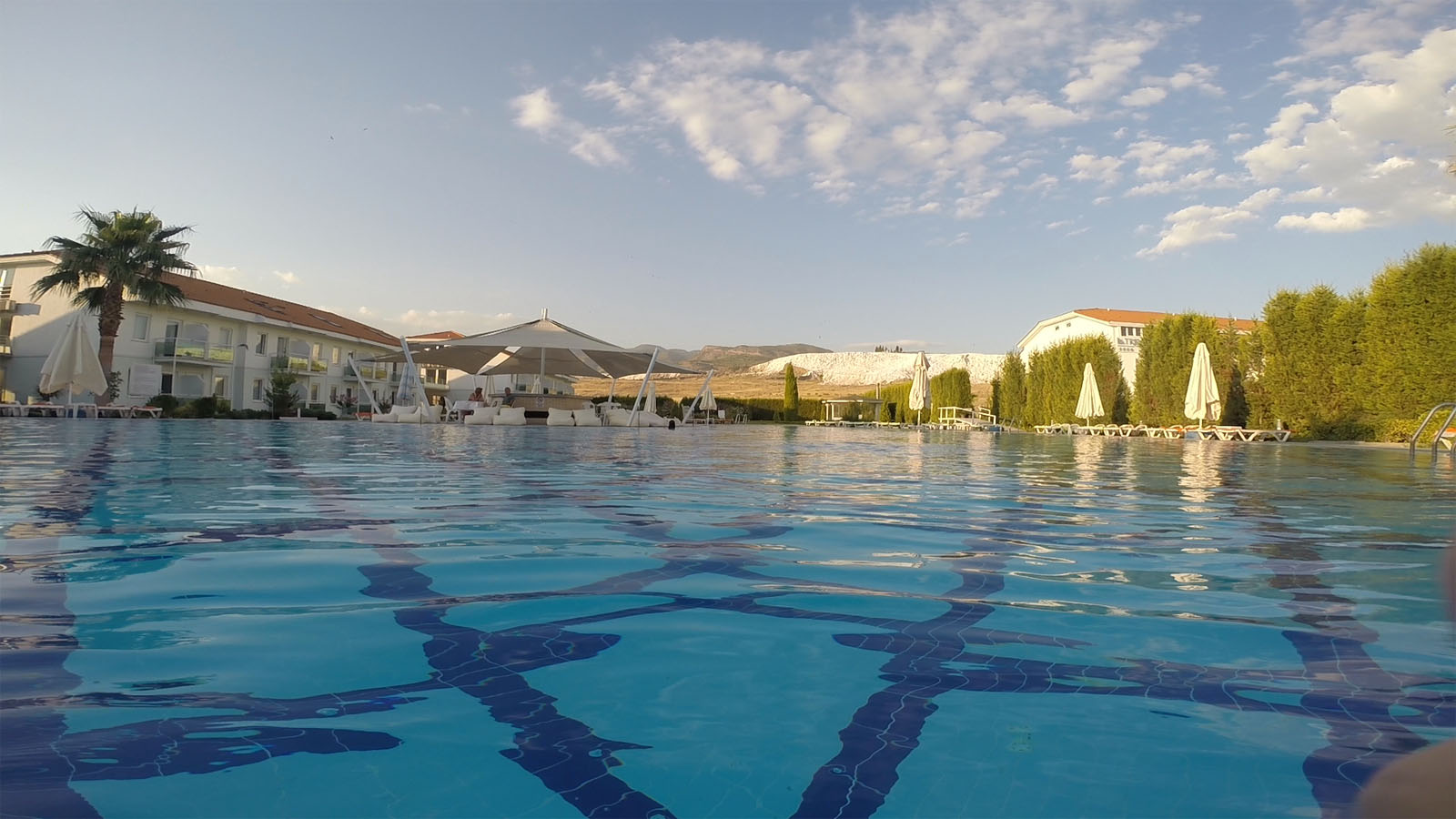
After checking in to the Tripolis Hotel at Pamukkale we couldn’t resist the pool after five days under the hot sun. The view of the Travertines from the pool was amazing.
Taken from the pool at the Tripolis Hotel in Pamukkale. Service was lacking, but the pool was worth the money.
After a refreshing swim we proceeded to gobble down our complimentary dinner — which not very fantastic but had a fancy belly dance which was somewhat entertaining.
Travertines, Hierapolis and Paragliding
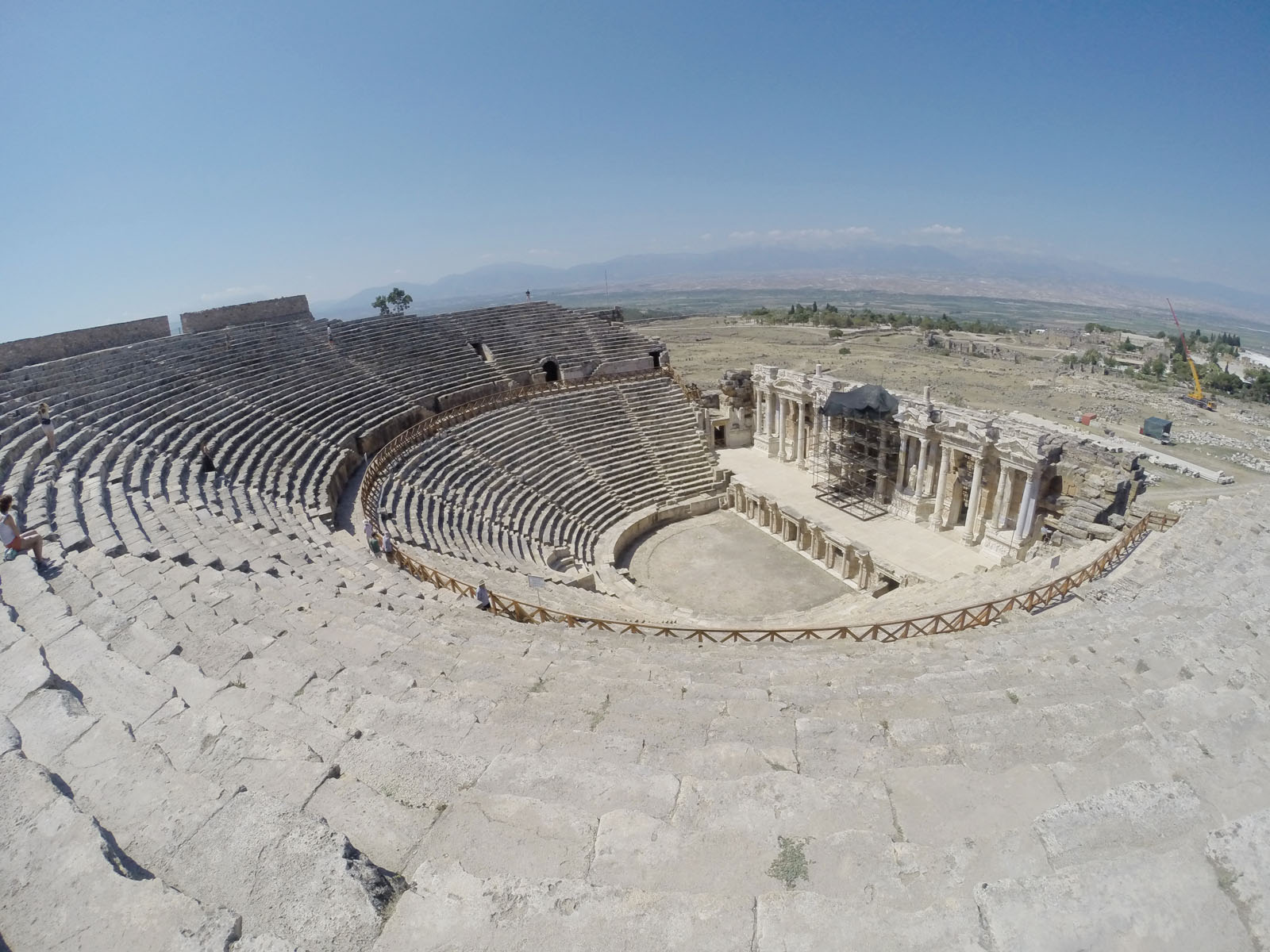
We set off a little later than usual on day six and made our way to the Travertines. We spent maybe an hour soaking in the limestone spring waters before we hiked to the Theater of the Hierapolis. The entire Hierapolis is massive and it was too hot out, so we did not continue.
Theater of the Hierapolis in Pamukkale.
We did, however, see people paragliding and went hunting for a paragliding company, joined them, and paraglided past the Hierapolis and Travertines.
Travertines and Hierapolis from up above. Can you see the Hierapolis Theater?
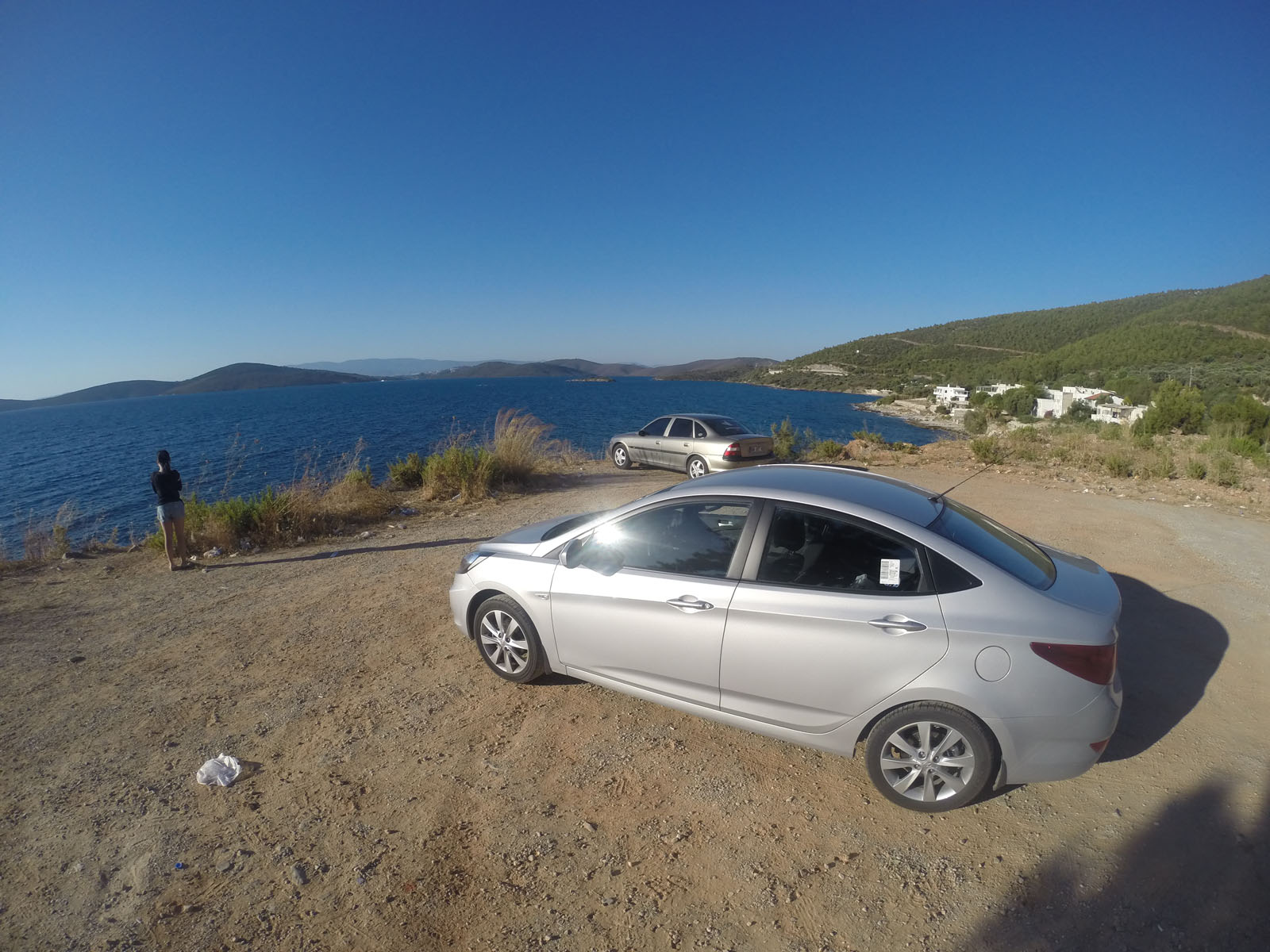
We probably spent too much time paragliding so we skipped two archeological/ruins and drove straight to Bodrum.
Our rental Hyundai Accent 1.6 CRDi Automatic by the beach at Bodrum.
We spent the evening enjoying a nice seafood meal (we haven’t had proper seafood yet) and watched the finals of the World Cup (Germany won) at a bar. Yes. Seafood, beer, world cup in Turkey by the beach. What could be better?
Yatches against the sunset at Bodrum.
Istanbul, Mosque, Mosque and more Mosques
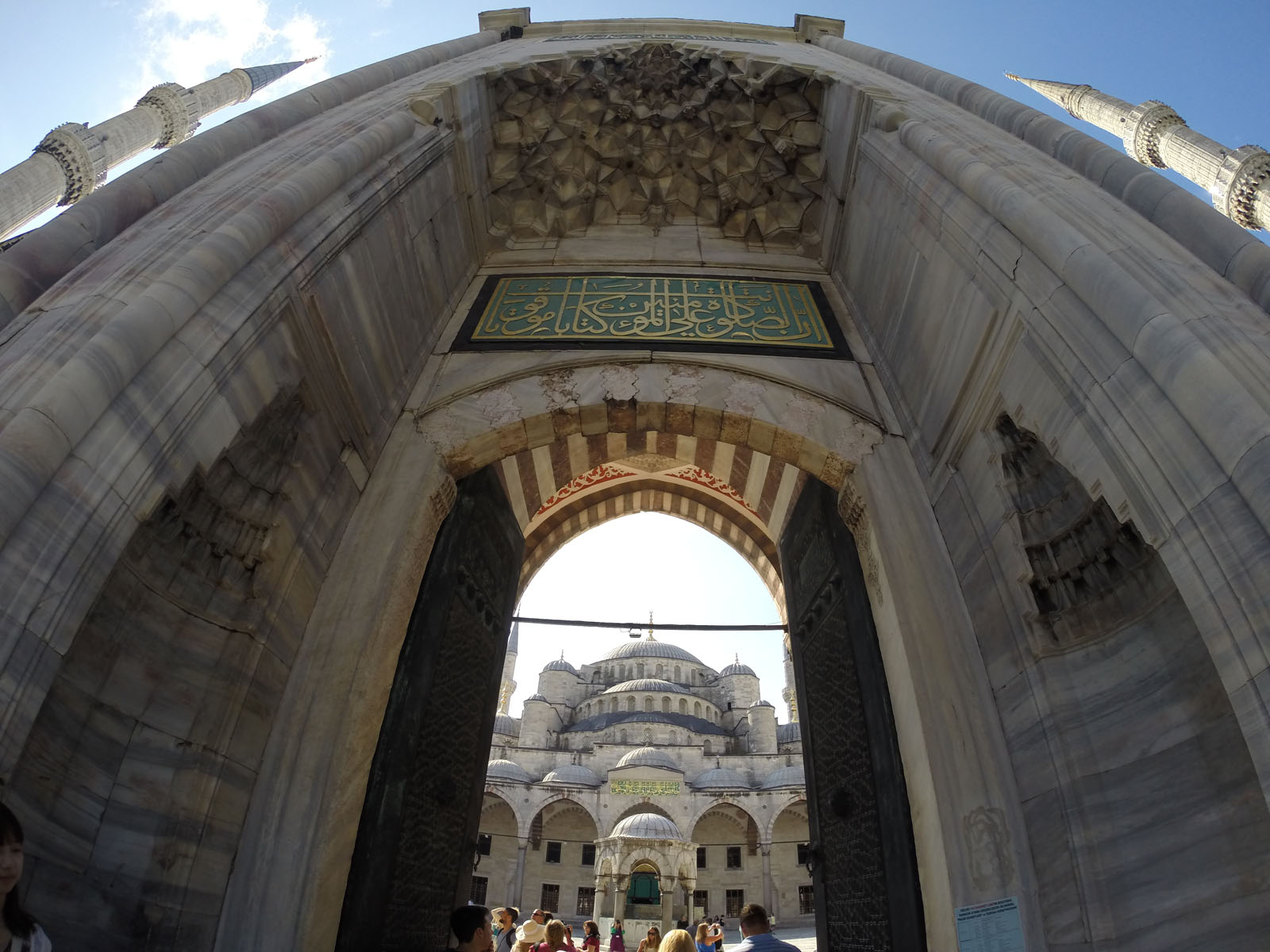
We took a flight from Bodrum back to Istanbul where we remained for the rest of our stay in Turkey. The first thing we did in the morning was to visit the Blue Mosque.
Blue Mosque, Istanbul opened in 1616.
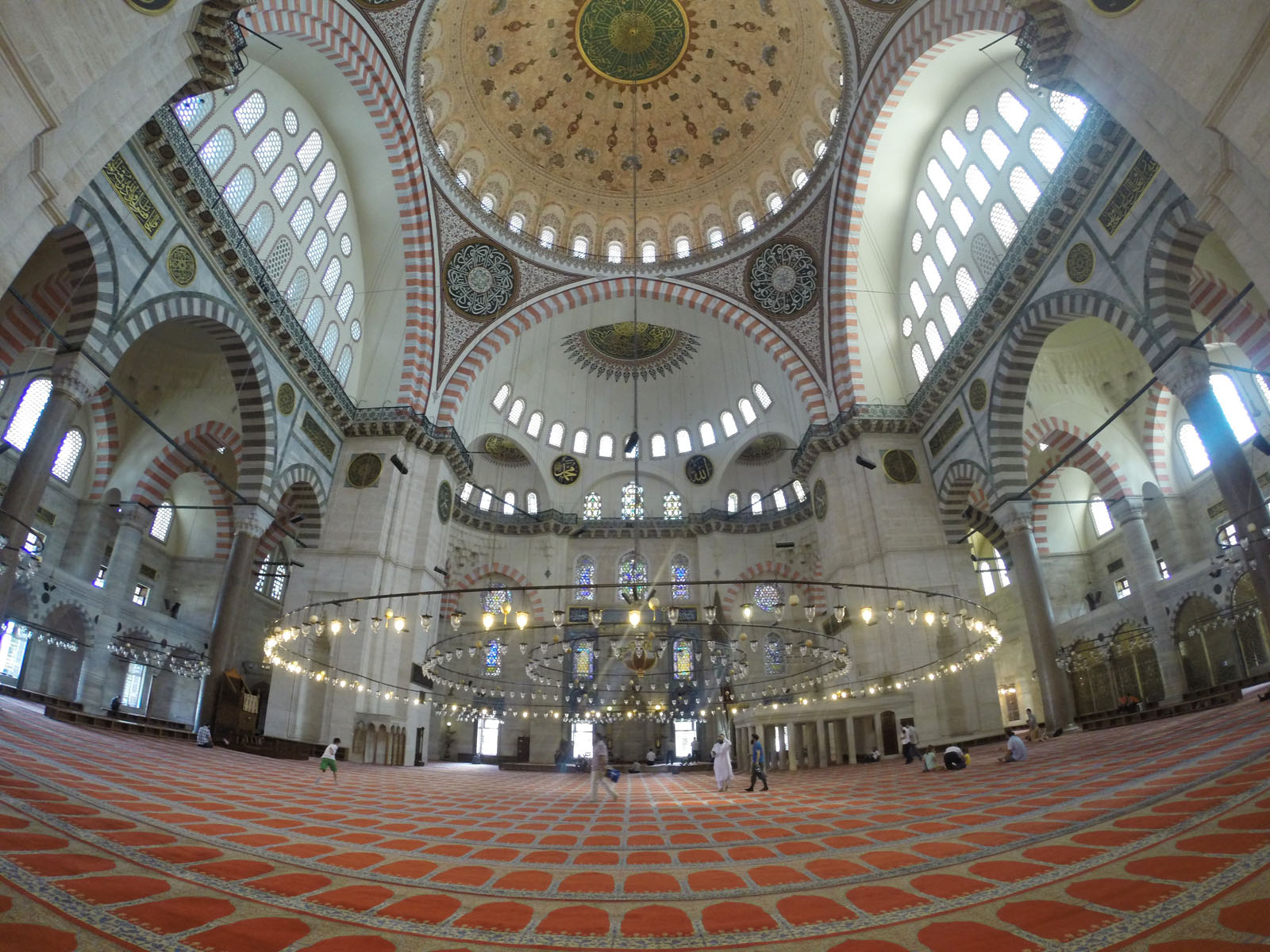
We also visited the Ayasofya, the Basilica of St. John, then wandered to the Grand Bazaar where our friend found the Suleymaniye mosque, which in my opinion, was a nicer mosque to visit. The Suleymaniye Mosque is not only bigger, it is about 50 years older than the Blue Mosque. What’s interesting is that the Suleymaniye Mosque’s architect Mimar Sinan was the teacher of the Blue Mosque’s architect Sedefkar Mehmed Agha, and because the teacher probably knew better, he designed the mosque with ventilation ducts which prevented the interior walls from turning black from candle smog in the old days before electric bulbs.
Interior of the Suleymaniye Mosque, Istanbul opened in 1558.
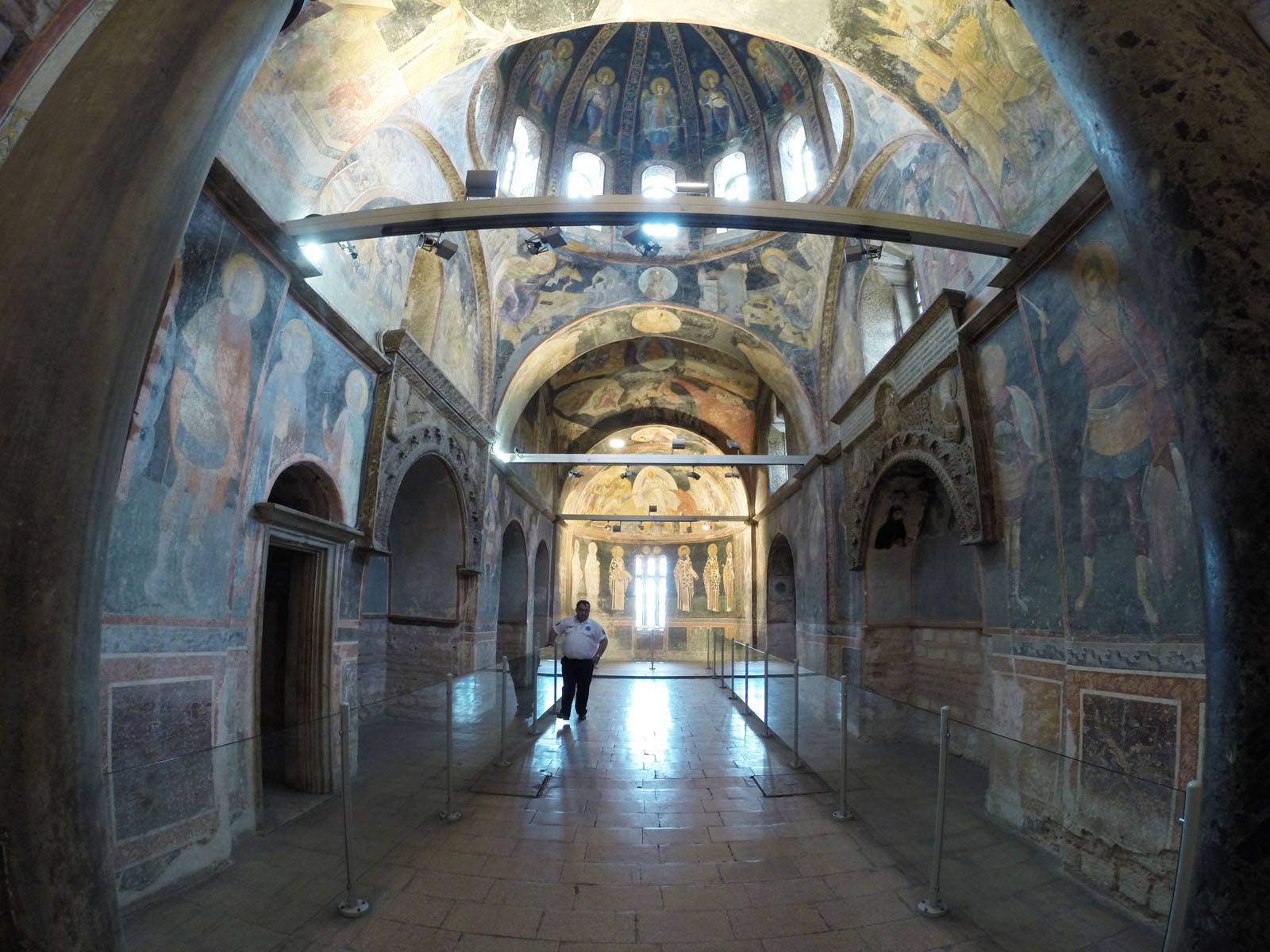
We took a tram, then switched to a bus to get to the Chora Museum. Apart from the Dark Church in the Goreme Open Air Museum, this is one of the most beautifully preserved churches we’ve seen.
The Chora Museum is a must-visit place in Istanbul. Getting there can be confusing, though.
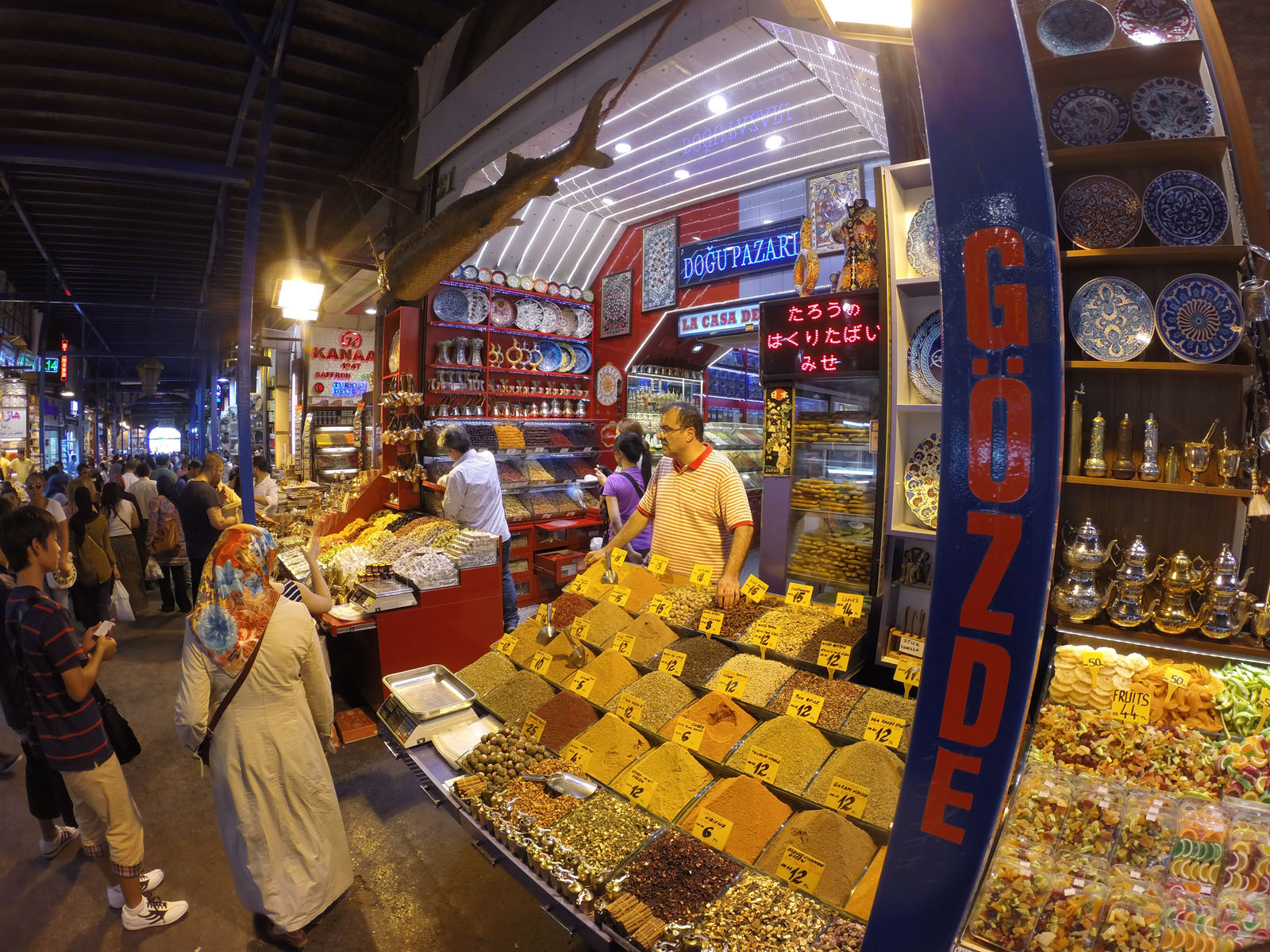
The last few days were spent — well — shopping! No Singaporean goes overseas without shopping! There are many touristy shopping districts in Old Istanbul (European Continent). The popular ones are the Grand Bazaar and Spice Bazaar. I’d recommend not buying anything at the Grand Bazaar, and maybe some spices and coffee grounds from the popular store Mehmet Efendi at the Spice Bazaar. These two tourist districts are filled with unmarked prices and touting shopkeepers. Once you’ve seen those two places and had photos taken, take a tram and head straight across the bridge to New Istanbul. There’s a big shopping district/street starting from Taksim Square headed towards the south(west).
The Spice Bazaar is filled with touting shopkeepers, but ranks better than the Grand Bazaar in our opinion. But hold on to your money and travel across the bridge to shop along the shopping district near Taksim Square at New Istanbul (European continent) instead.
July 7-20, 2014
Caveat: July is probably during the worst time of the year to visit with the combination of hot summer and Ramadan (fasting month for Muslims). If you think hot and long summer days weren’t tiring enough, imagine being constantly awoken at 2am by drums for Muslims to have their pre-dawn meal.
Here’s a continuation to the big CPF Minimum Sum Scheme (MSS) debate that made a record 128 comments on my Facebook wall post.
The entire debate broke up into two topics of discussion. One of them is whether CPF is good for us (vs. a welfare system) and while I do agree that CPF is generally better than having to pay high taxes for the general welfare of another misbehaving person, the other part I’m going on and on about is that the MSS is way too, urm… stringent (for the lack of a better word)?
Based on my extrapolation there is a possibility that the MSS becomes so high that a graduate making the maximum possible CPF contribution from the day he starts work at the age of 25 may never meet MSS despite not spending a single cent on property. This will continue to hold true unless some variables are changed, such as raising the $5K cap, or raising the age at which MSS computation is taken.
What happens after 55 (till 65)?
There’s a period between the time we are 55 to 65 that we’ll likely have little or no money left in our CPF OA because it all went to our RA. If people aren’t able to meet the MSS it means that *all* their OA balance will be transferred to RA and they’ll have to cough up cash for property at 55 years of age.
There is a workaround, however, and that is to fully pay off the property with any balance in the OA before one reaches 55 but not many are aware of this option.
This period between 55 to 65 is also a pretty harsh period for most people as their kids would have just entered tertiary education at around 20 years old (expensive fees) and their parents are probably also getting really old at around 80 years old (expensive healthcare). Adding a sudden property commitment could be disastrous for a family that’s already tight on financial resources.
Mortage repayments will go beyond 55
Most people around me are buying properties in their very late 20s and across their 30s. This means that their 30-year mortgage commitments will extend beyond the age of 55 and the MSS will definitely affect a lot of people.
I could continue to argue that had CPF not been allowed for property purchases, property prices wouldn’t have been this high. After all it’s money we can’t use in the near term, so people willingly spend it all on a property. However, it is also true that some people with literally no cash savings will never be able to buy a property. It’s a double edged sword, and that’s a discussion for another day.
So what good is a payout from 65 to 85 that when those who haven’t had sufficient cash savings (presumably that’s the group that the government is trying to save from dying of hunger) aren’t even sustainable 10 years prior?
Leopard will never change its spots
The second part about MSS is the question of how useful would a payout of $600+/mth be (at current MSS of $155K). I know of people who will receive $600 for the week and blow it at a horse race. Assuming if the MSS is raised to provide a payout of up to $1,000/mth, nothing would change. If they didn’t have enough money they’ll take a loan, and I’m sure moneylenders, legal or illegal, would be glad to make a hefty interest by advancing these old folk’s government payouts. Whether it is paid annually, monthly, or daily, there’s no solving this problem, really. Old habits die hard and the burden will continue to be on their children/spouse/siblings/country/state.
Those who are financially prudent will likely meet and exceed the MSS, so why let that money get stuck in CPF while they could have used it for something more important, like their kid’s education, or to fund a new business venture, or if they’re feeling generous even donate it to charity?
Thoughts on alternatives
If the MSS was meant to help those in need, then there should be criteria established to qualify for withdrawal of lump-sum CPF monies. One such example would be for emergency healthcare. If a person had cancer — a very common disease at older age, he/she should be eligible to withdraw a reasonably large percentage of all his RA monies to fund for his treatment. Similar to any form of health insurance scheme, one could surrender early — albeit possibly at a loss, but at their own discretion because not all types of diseases are covered by general health insurance schemes.
Those who are prudent and have sufficient cash savings could possibly present proof, such as a bank statement, to allow withdrawal of their CPF savings for other purposes, such as for investments, children’s educational funds, or simply to immigrate and live in a peaceful island away from Singapore. In this manner, it would also encourage people to save sufficiently before 55. Cultivating the habit of financial prudence does not occur overnight.
P.S. I just found out that there is indeed a way to exempt yourself from the MSS. To do so you must have have purchased your own annuity program or have a pension payout that is equal or more than the current MSS monthly payout. But what isn’t clear at this point (to me) is whether I am eligible to receive my CPF monies in full cash once exempted, or if there are other fine prints.