Tag: BMW

  • Life with BMW diesel in Singapore, two years on.

    Life with BMW diesel in Singapore, two years on.

    I’m sure some readers have been curious, so here’s a 2-year review after my first post from two years ago.

    In summary, the BMW F10 520d is one of the best car I’ve driven on a daily basis. It is surely not as refined as my previous petrol inline-6 BMW 523i, but I realise that I spend most of the time talking with passengers, or pushing the car through traffic; I hardly pay attention to the diesel rattle most of the time. The car is incredibly quiet once brought up to speeds above 50 kph.

    • Vehicle: BMW 520d y.o.m. 2013 (F10)
    • Ownership: Apr 2014 to present
    • Mileage done: ~27,000 kms (~13,000 kms/year)
    • Breakdowns or faults: None
    • Servicing costs: ~$240 every 8,000 kms
    • Other repairs: ~$380 for one rear tyre replacement (more on this later)
    • Average FC: 12.5km/L, 80%/20% city/hway (see full log at Fuelly)

    Regrets? No.

    At times I do wonder if it would have been better if I had gotten a 530d wagon for the extra space and refinement of an inline-6 diesel, but the increase in road tax may not make sense. That said, I haven’t had a chance to drive this car up north — I am sure it would have been stellar as the car is best enjoyed on the highway, cruising at 110kph with the engine turning over well under 2,000 rpm.

    I’ve also tested the VW Touran TDI before it got pulled from the markets due to dieselgate, and it was incredibly quiet in the cabin, too.

    Savings can be substantial

    I did some math, comparing my previous ride (BMW F10 523i). The savings from the increase in fuel economy and reduction in fuel costs are substantial enough to pay for the insurance costs — around $1,600/year in savings even after deducting the increase in road tax ($210/yr more for the diesel).

    Even if you make a comparison against the current 2-litre petrol BMW 520i with a $800 increase in road tax, the diesel still brings around $1,000/yr in savings. The more miles you do, the more you will save.

    Diesel particulate filter woes

    I’ve read in forums that people worry about the diesel particulate filter (DPF). After two years of ownership and driving relatively short trips to and from work, I would say the DPF is nothing to worry about. We have good quality (Euro V) diesel here, and the car is intelligent enough to regenerate the DPF when it needs to. You can actually feel the DPF regeneration once you are more attuned to your car — the exhaust note changes.

    It is more important to use the correct engine oil for your engine as some engine oils may not be DPF friendly. When in doubt, buy OE oils. Modern Euro-V compliant BMW diesels require BMW LL-04 approved oils.

    Tyre trouble

    I drive through Upper Bukit Timah Road pretty often and the MRT (DTL) construction tends to be unfriendly to tyres. I’ve had several nails in my tyres, and one of them unfortunately hit a spot where it would not patch well so I had to replace one rear tyre (275/40 R18) with the same Pirelli P7 run-flat tyre costing a whopping $380.

    My current set of tyres are the originals that came with the car (18″ staggered). They seem to be due for a replacement soon having done 30,000 kms to date. I will be swapping them out for a set of M-sport 19″ non-staggered (245/40 R19) later this year. I feel there’s no need for staggered wheels on this car as it already understeers a bit. Replacing and driving those big heavy rear tyres are simply a waste of money and fuel.

    Servicing costs

    It seems that BMW diesel parts are getting more and more readily available as the BMW 2-series Grand Tourer diesel takes on popularity. The engine oil filter was a tad expensive, but is not a significant jump from the price of a petrol equivalent. The plus is that diesels have no spark plugs, so spark or or expensive ignition coils to worry about.

    However, I do not following the servicing interval prescribed by the car computer or dealer (15K or 25K km if yours is a parallel import). I change the oil changed 8,000 kms.

    Diesels run cooler, especially at idle

    Contrary to some old folks tale, it is also interesting to note that diesel engines run cooler, especially at idle. My engine oil is maintained at around 100 degrees C whilst petrol BMWs are kept at 110 degrees C.

    There’s no need to warm up the engine by idling a diesel because it will not warm up. In fact, there is no need to warm up all modern cars by idling, it especially in Singapore; simply drive the car and the load on the engine will warm the car up quickly. Once again, it is more important to use the correct engine oil so your entire engine gets the lubrication it needs from the get-go.

    Short note about improvement in suspension of the BMW F10 in later years

    One thing for certain is a marked improvement of the 2013 520d suspension over the 2011 523i. Both cars are the same model (F10) but the 2013 feels more planted and less like a boat when driven at speed. I have verified with my VIN that my vehicle does not have the optional M-sport suspension even though it is fully fitted with M-sport options from factory. I believe BMW fixed the suspension issues, and driving my friend’s 520i (2014) LCI model felt similar to the 2013.

    Ending note

    I believe we will continue to see more and more diesel cars in Singapore although turbocharged petrol engines are also getting more efficient; diesel has higher energy density, so it will likely still lead the way in fuel efficiency. My car is nearing the end of its product life cycle and a new model (codenamed G30) will get the new modular B-series engines already found in a few newer BMWs like the 216d Grand Tourer. We can see how each generation becomes more efficient, powerful and refined just by following at the progress of one manufacturer. I am sure the same applies for the other brands.
  • Life with a Diesel Car in Singapore

    Life with a Diesel Car in Singapore

    When it comes to technology, I’m usually an early adopter and there’s no exception when it comes to cars.

    When I saw a resale BMW 520d (internal code name F10) for almost $20K below what its petrol siblings were asking for on the market, I jumped on it right away. The car is well optioned with multi-contour ventilated seats, 4-zone air-conditioning, premium hi-fi and the M-sport bodykit. These factory options aren’t cheap, which explains why the car also has an extremely high OMV value.

    I was sufficiently warned of the NVH (Noise, Vibration and Harshness) of diesels, so when I test drove the car it exceeded my expectations. Still, I knew I was venturing into uncharted waters, but the tremendous torque and potential fuel savings beckoned and I took the plunge.

    I thought this would be a fantastic comparison because I had the same car but with a different engine. The old car had the legendary BMW inline-6 2.5L naturally-aspirated engine, code-named N52 (badged 523i). This new car has the BMW inline-4 2.0L variable geometry turbocharged diesel, code-named N47. It’s good to note that BMW enthusiasts swear by the N52 — some refuse to buy the car if it does not come with an inline-6.

    Both are small engines considering the massive weight of the car (1.7+ tonnes). The diesel is slightly heavier (~50kgs). Both cars have the same transmission (ZF 8HP).

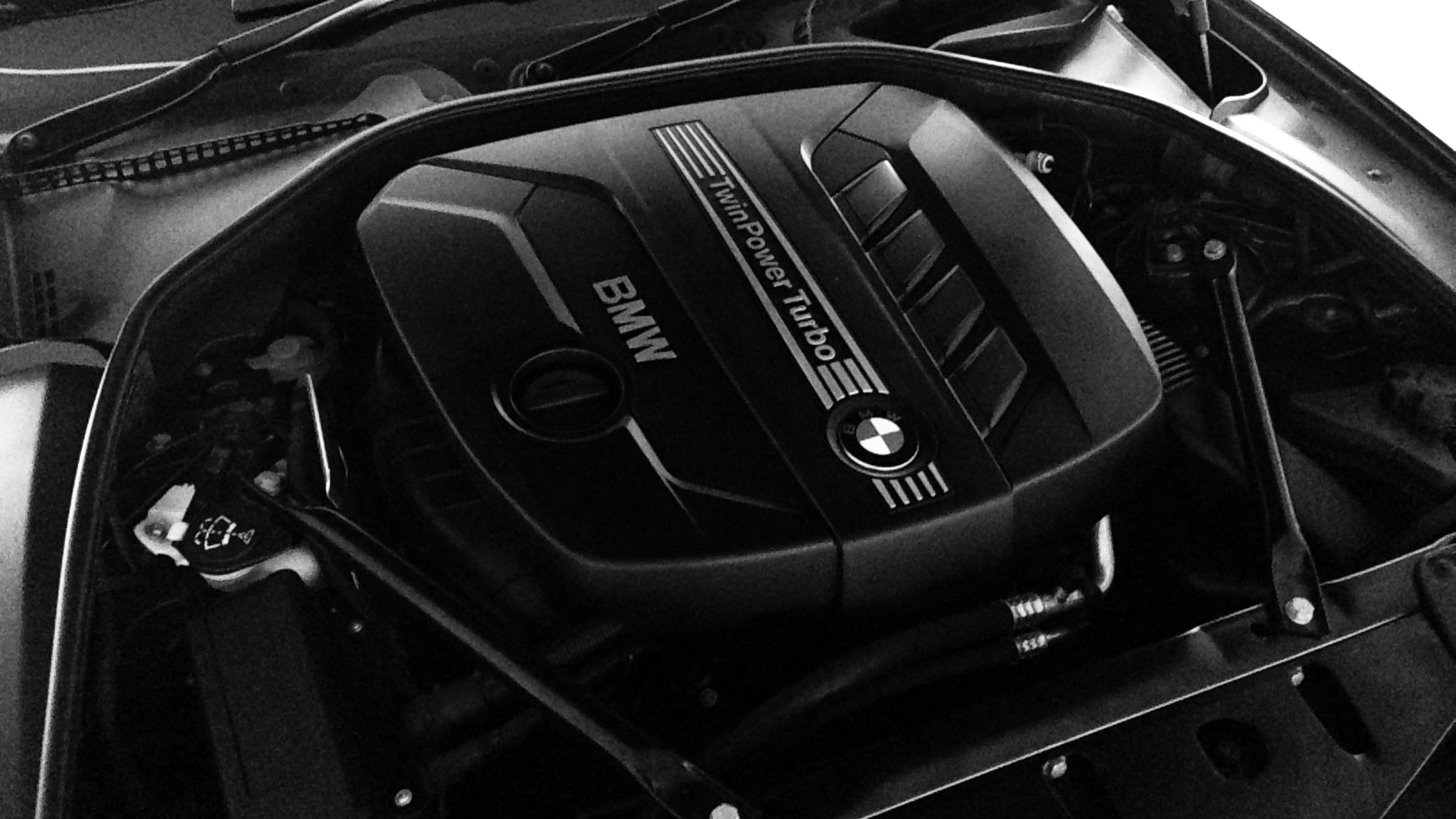
    BMW N47B20 engine in the F10 520d.
    BMW N47B20 engine in the F10 520d is a promising little motor with a BSFC of 198g/kWh.

    6 months down the road, what are my thoughts? No regrets — the diesel engine pulls effortlessly from just above idle to 4,000+ rpms. The massive 350Nm of torque is fantastic for city driving and it is no slouch on the highway either; I’d easily hit 110kph without even noticing that I had to configure a speed alert to warn me.

    The final drive of the 520d is also taller than the 523i thanks to the massive low-end torque. The car cruises on gear #7 well under 2,000 rpms at the legal Singapore speed limit of 90kph; there’s 8 gears on this tranny so it will also do 110kph under 2,000 rpms on the NSHW. This low-revving is probably why the engine is barely audible on the highway.

    Fuel economy? I averaged 13km/l (over the last few months) with fairly spirited driving, or about 800 kilometers on a tank of gas. I refuel my car once every two weeks now (was weekly). Bear in mind my engine hasn’t really broken in yet; it’s still under 10,000 kms and I am starting to get better fuel economy as the months go by.

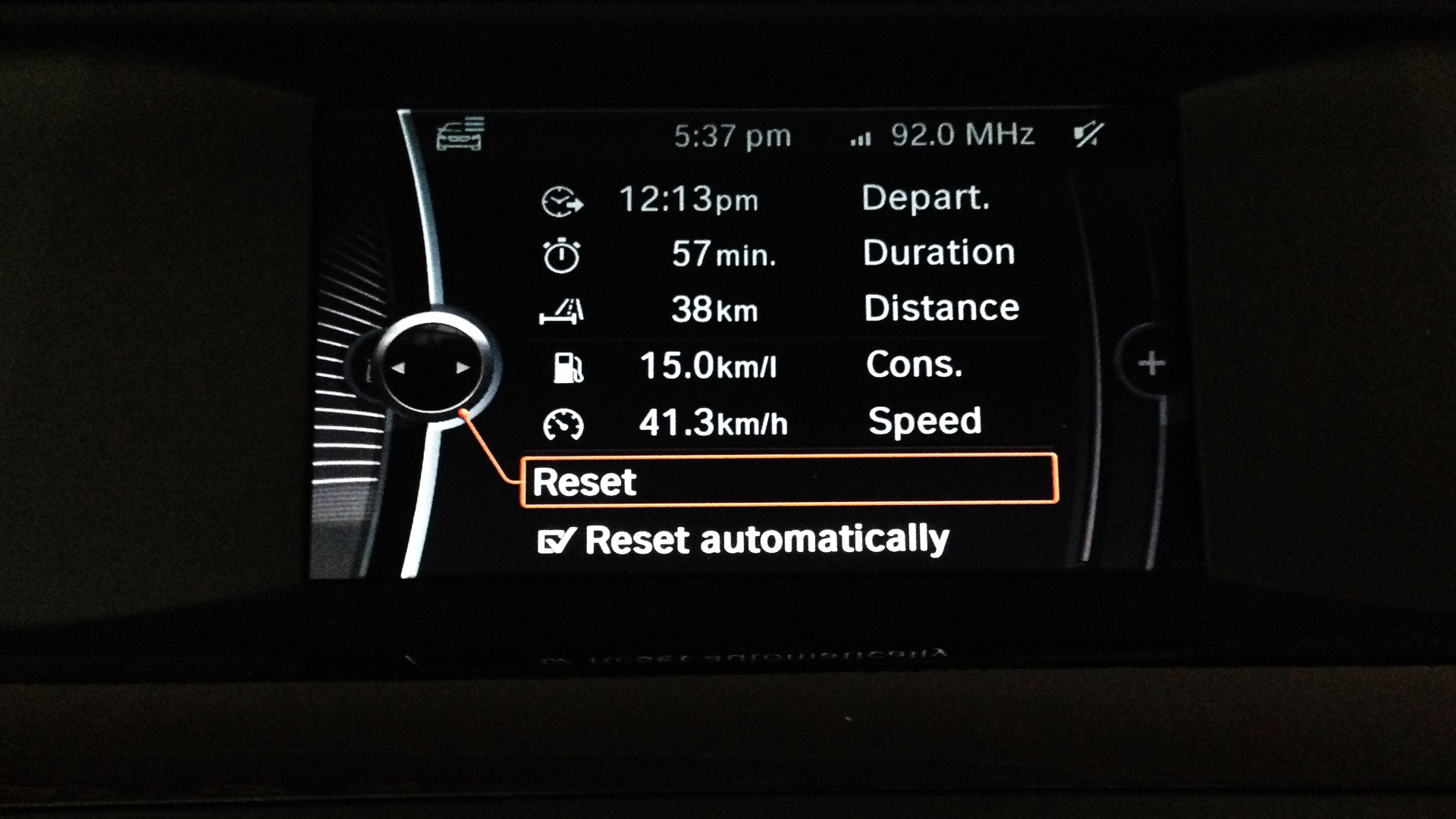
    On good days like today the fuel economy can reach 15km/l.
    On good days like today the fuel economy can reach 15km/l; notice the low average speed of 41km/h. This was just a drive out for lunch and a short drive back home (no jams).

    I only drive on average 1,500 kms per month and my monthly fuel bills have already shrunk from $330-350 (Esso 8000) to $170-180 (Esso Diesel). My daily commute is around 60-70% city, 30-40% highway.

    Although I pay more for road tax (about $400 more per annum), the savings in fuel more than makes up for it.

    So what are the drawbacks of driving a diesel?

    There’s definitely more NVH as compared to BMW’s creamy smooth Inline-6 engine. I do also miss the aural pleasure from my old car, but for daily driving the torque of the diesel and the way it pulls away from cars effortlessly with no drama wins me over.

    I also cannot refuel in Malaysia (yet) because they do not yet have Euro 5 diesel (currently Euro 2M), although a full tank will likely bring me to KL and back. I heard some mixing shouldn’t do much harm. Note that the engine can handle any type of diesel, it’s just the emissions systems, particularly the Diesel Particulate Filter (DPF) that have trouble with lower grade diesel. Malaysian 520ds do not have DPFs to work around their fuel problem.

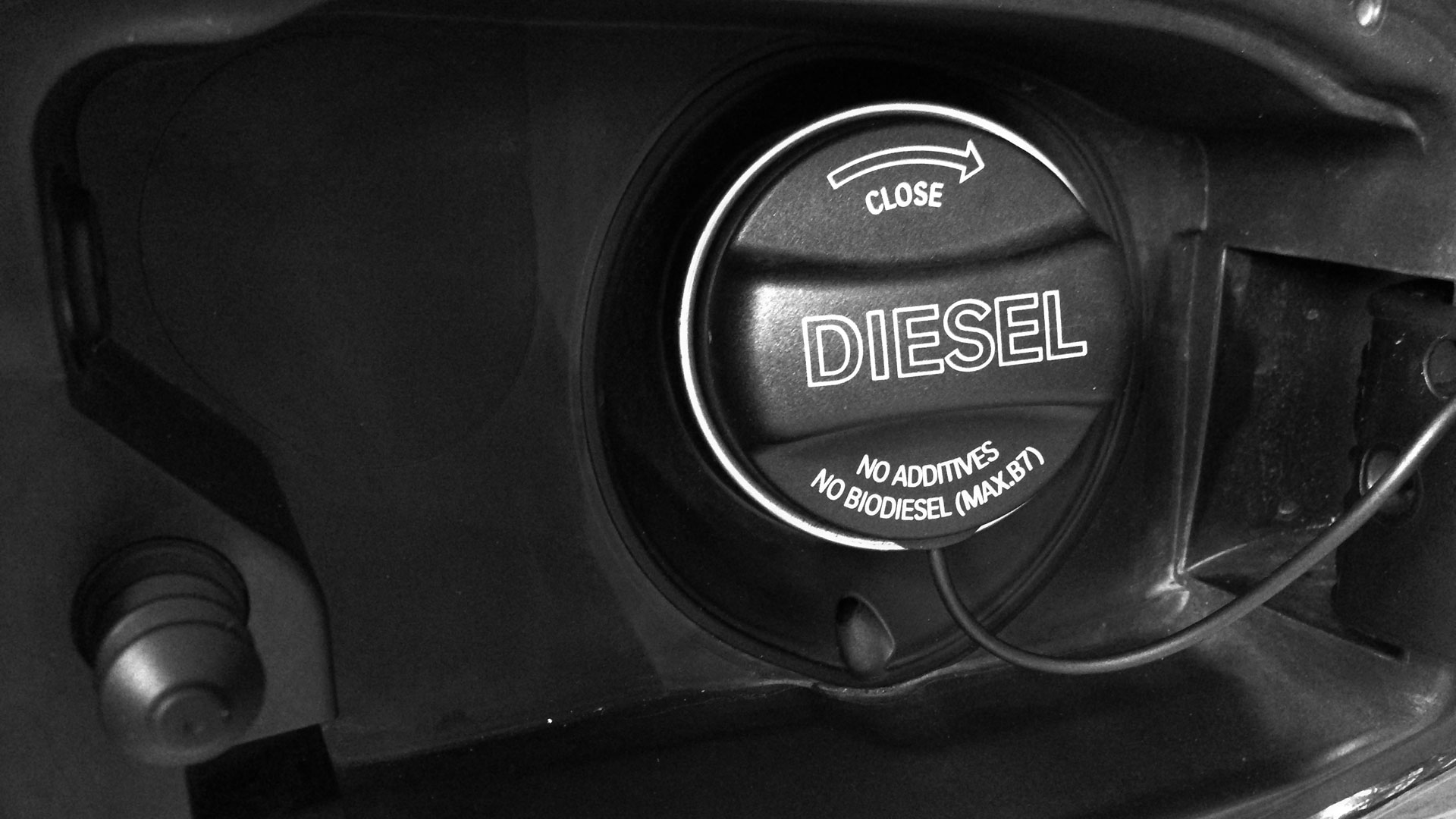
    Unfortunately I can only fill up Euro 5 diesel and it is not available across the causeway.
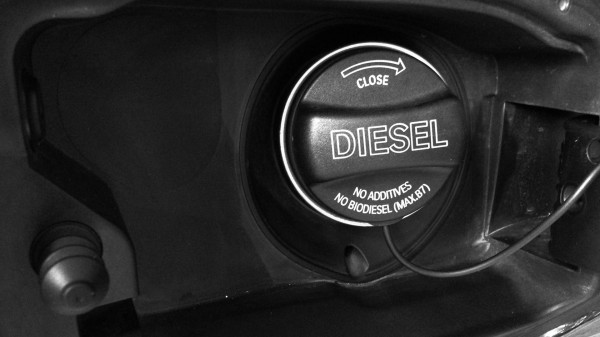
    Unfortunately I can only fill up Euro 5 diesel and it is not available across the causeway yet. Not even knife brand cooking oil can be used — it states clearly NO BIODIESEL.

    I do also get surprised looks at the petrol kiosk when I stick the diesel nozzle into my car, and occasionally some weird stares as I drive past unsuspecting people; I guess it must be the ticking of the diesel engine that people relate taxis to.

    Servicing costs me $30-40 more, primarily because my oil filter is uncommon and costs more. I use the same type of engine oil as other modern BMW petrols (BMW approved LL-04 such as Mobil-1 0W-40 ESP). As a plus, I do not have spark plugs, so that may equal out the extra costs of the oil filter. Modern BMWs use pretty expensive platinum sparks that should be changed every 50,000-60,000 kms or so.

    Driving the diesel 520d has been an absolute joy and I think it is the way to go — at least for the next 5 years. Alternative energies/technologies such as compressed natural gas (CNG), hybrid electric, fully electric, or fuel cell have some ways to go and the present infrastructure is lacking to support these technologies. (Sidenote: The BMW i3 seems pretty promising if you live in a landed property.)

    Remember that my car is over 1.7 tonnes unladen, and weight is a major contributing factor to fuel economy. If you buy a smaller diesel like the Volkswagen Touran 1.6 TDI, you will likely achieve 16-18km/l without breaking a sweat.

    I really hope more car owners in Singapore will switch to diesel. For the same amount of fuel, diesel is almost twice as efficient — we could keep fossil fuels around maybe just a little bit longer.

    Read my follow up article after two years of driving the BMW 520d.

  • Why hybrids aren’t selling

    I’m not going to talk about EVs because they present a charging and power distribution challenge.

    However, there are quite some hybrids on the road now. But why hybrid cars still aren’t selling as well as traditional gasoline?

    First, batteries don’t last very long, are expensive to replace, are very heavy and also may potentially have safety issues in a crash (due to short circuit). And we really don’t know how much environmental damage is done actually making batteries. So now there’s 10 year warranties and all, but all that extra money just to put heavy batteries in a car? Really?

    I know about all that alternate fuel thing, so yes fossil fuels are running out, we’re all going die (not because of the lack of fuel but likely to war over fuel), and we need to find alternative energy.

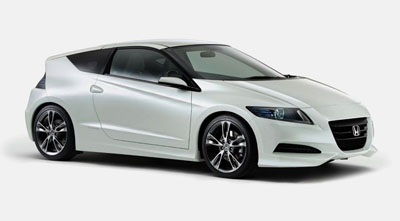
    Okay, never mind. Here’s what I think is the biggest problem with hybrids: they simply all look like crap.

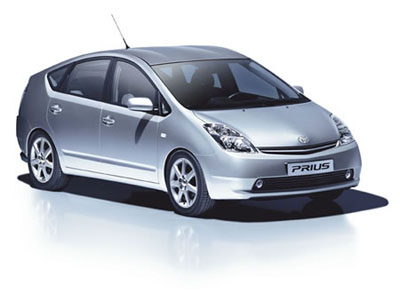
    Here’s a few we all know. The Toyota Prius and Honda CRZ.


    Why do hybrids have to look like that? Were they designed out of function (they need space for big batteries) or were the Japanese thinking of fancy looking hatches to attract the “save the world” folks? Hey, those “green” folks don’t wear weird clothes, do they?

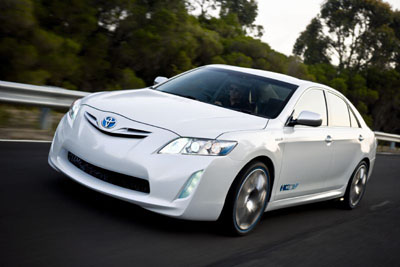
    What about the hybrid models of existing sedans? Why do they have to make something glow in blue, like the logo of the Camry?

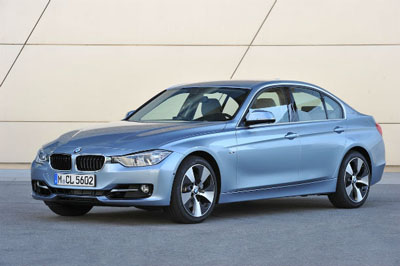
    Or even BMW, why does the ActiveHybrid 3 have such ugly wheels? For aerodynamics – really? After adding a few hundred kilos of batteries?

    Why can’t the BMW 5 series hybrid be called the BMW 535ih instead of ActiveHybrid 5? That badge looks like crap.

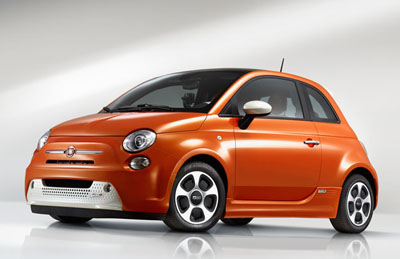
    At least Fiat is doing it right… the Fiat 500e looks awesome.

    Car makers — why can’t you make a hybrid look like a normal car?

  • A Sunday at two Car Showrooms – BMW and Lexus

    I got a call from Performance Motor Limited (“PML”) about a private sale, so guys being guys, I agreed to go down. Of course, I brought the wife along so she can play “finance manager” and say NO in case I get tempted.

    So the private sale was like this – you must be on the invite list, and must have a car to trade-in and they offered an insane price for the trade-in. The trade-in price was easily >$30K above market prices, which brought the BMW 318i price down from $180,800 to $14x,xxx or a BMW 320i from $203,800 to $17x,xxx.

    The discounted price for a 318i is good considering that a Toyota Camry or Honda Accord are selling at the same price in the current market.

    But I was more interested in the 320i. That’s a crazy price for a car, I’m sure. But I was pleasantly surprised by what the latest model offered – all the electronic gadgets makes me pee my pants. It has 17″ rims, iDrive with built-in navigation, bluetooth telephone w/address book and voice activated dailing, in-vehicle information display such as service intervals and other mechanical status of brakes, engine, blah blah blah, timer for air-con recirculation so you don’t get into a baking hot car parked under the sun, and here’s the best part – INTERNET. Yes, bluetooth tethering with the iPhone.

    The 320i also has fold-down rear seats (the old one didn’t, or was an option) and the audio system has been marginally improved with more powerful bass (up to +/- 10 step adjustments instead of +/- 6 on the old models).

    I also test-drove the 318i which had the new electronic steering system and it was indeed much lighter and easier to park the car, but there’s a slight lack of “road” feel. I still like it though, cos the wife doesn’t like the heavy steering on the old model.

    It was very tempting at $17x,xxx. Damn bloody expensive, I know, but I really liked it – it’s a dream car. We spent a few good hours in the showroom, and the salesman started giving an additional 1-2K off. But the wife said NO. Sigh. No new high-tech ride for me.

    So being unconvinced that BMW was the best car around, I went pouty faced over to Lexus to test the new CT200h which they claim to be oozing with technology. It is lower in price too due to government discounts on green cars.

    What a disappointment. The interior looks sub-par (compared to the BMW) and the sales guy also sucked – he treated me like I couldn’t afford a Lexus. Yeah, maybe I can’t but the showroom looks pathetic – it’s was EMPTY.

    The base model at $154K didn’t have leather seats so I asked him how the fabric looked like. His reply was, “Huh? Cloth lor.” I was like WTF? Like show me some samples? He said they didn’t have any.

    Anyway, no leather? For a Lexus? Borneo Motors, I don’t know what you were thinking.

    The higher “Plus” model at $158K had leather seats. That was the only difference – top up $4K for factory fitted leather.

    So I decided to cut the crap talk and asked for a test drive. Here’s a summary of my experience:

    The seats were manually adjusted. For a $158K car, I wouldn’t expect that.

    The moment I pushed the START button, the car feels weird – it was silent except for the air-con blower. I got on the gas a bit – still silent.

    Then at approx 30km/h the petrol 1.7 litre inline 4 engine kicks in and you suddenly hear a low rumble and more power.

    My first foot on the brake in the carpark felt weird too – it wasn’t progressive and the braking effect was sudden as if somebody else was braking the car harder than you wanted for you. My feeling is that it’s caused by the car engaging a flywheel of sorts to charge the NiMH batteries.

    After getting up to speed, braking felt slightly better but still weird – it’s just not progressive. Adding to the weird braking behavior, you could hear the whine of the dynamo/generator which was a little annoying.

    I was still driving in “normal” mode all this while. Then I switched to the “sport” mode – oh what a difference. The CVT gearbox kicks me into a lower gear and now the car takes off on it’s 1.7 litre engine. But again, this felt weird. The change was too abrupt – from a tame hybrid it was suddenly TOO responsive and I had to change my footing.

    Then finally I tried the “eco” mode which was oh my god slow as a turtle. I couldn’t stay on it for more than 5 seconds, so I switched back to “normal”.

    It was a short test drive, but it wasn’t a good experience at all. As a driver, I felt weird. The car’s behavior was abrupt, unpredictable and unrefined. The wife sitting quietly at the back also said the ride was rough and the interior didn’t give her a “wow” feeling. The audio system was terrible – in fact worse than my Nissan Latio. On the level of sound insulation, the BMW wasn’t any different. So whoever that tells me a Lexus is silent, I’m going to beat you up.

    At $158K, I’d rather buy the BMW 318i which would be packed with slightly more features and a more refined drive. The $10K difference could pay for lots of fuel – at least 3 years’ worth.

    I think that these hybrids still need some time to get their act right. To achieve 24km/l it might be worth considering a Toyota Prius instead.

    I’d love to test a BMW ActiveHybrid if it comes here though. I have confidence in BMW’s engineering to build a more progressive and predictable hybrid.

    OK, enough for the day. Back to reality. No high tech cars for me! 🙁